


Editorial Board
Obuda University , Hungary
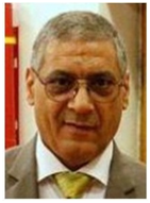
| Biography Dr.Hosam Bayoumi Hamuda is a professor at Obuda University Hungary. He is a Environmental Microbiologist and Soil Biotechnologist, Directorof Agricultural, Environmental Microbiology and Soil Biotechnology" Ph.D. program, Environmental Sciences PhD and also have many fellowships like GATE, MTK, DOM, Godollo, Hungary. C.Sc. Research Follow"Bessenyei Gyorgy" Teaching Training College, Nyiregyhaza, Hungary. Postdoctoral research follows School, Szent Istvan University (H-2100 Páter Károly u. 1. Gödöllő, Hungary). Hamuda had teaching experience on the fields of Biology, Microbiology, Biotechnology, Agricultural simulation, Ecology. He has much scientific leadership, super vision of research and science commitments. He has research grants the years between 1988 to 2012 and he awarded with several awards like Bronze Medal etc. He has membership in different scientific organizations. As an Environmental Microbiologist and Soil Biotechnologist he is dealing with the interactions between the micro biomes and the environment for increasing soil quality and saving the soil from pollutants as well as how benefits to use the wastewater sludge in the agriculture. He is having 378 publications. Research Interest
|  |
Florida Atlantic University, USA
| Biography Dr.Jang‑Yen Wu Professor of Biomedical Science, He has completed his Ph.D from University of California Medical Center San Francisco, California in Department of Biochemistry. His research includes the basic study of neurotransmission with special emphasis on the regulation of GABA (neurotransmitter gamma-amino butyric acid) and glutamate neurotransmission at molecular and cellular levels and translational research to develop mechanism-based therapeutics for brain diseases including stroke, Parkinson’s disease and other neurological disorders as documented in the following publications. The overall goal of the proposed study as Co-I is to test the hypothesis that Osteoinductive scaffolds and ultrasound co-stimulate robust in situ bone tissue regeneration. Recently he was demonstrated that granulocyte colony-stimulating factor (G-CSF) is effective in restoring the function of dopamine neurons in Parkinson’s disease animal model. In addition, he has also shown that G-CSF is also effective in reducing the infarct size and improving the brain function in stroke animal model. AS PI or co-I of several NIH-funded, NSF-funded or State-funded grants, he has laid the ground work for the proposed research by developing cell cultures, stem cell and animal models as platforms for testing biological functions and the efficacy of therapeutic intervention. In this proposal we plan to elucidate the underpinning mechanism of osteoinductive scaffolds and ultrasound co-stimulation in situ bone tissue regeneration. I have expertise and extensive experience in neurotransmitter systems e.g., GABA, glutamate and dopamine systems under physiological as well as pathological conditions. In addition. He has also extensive experience in stem cell related technology in cell differentiation and cell/tissue regeneration and developed several mechanism-based novel therapeutics for brain diseases e.g., Parkinson’s disease, stroke, epilepsy and alcoholism. Hence, he believes that with his expertise and experience in the field he can help the PI to lead this proposed project to a fruitful conclusion. He was honored by One of the world’s most cited authors identified by Current Contents/ISI in 2002, First Presidential Award in Basic Research, Chinese Neuroscience Society in America, etc. and also he have 261 Papers published in NCBI journals. Research Interest
|  |
The Warwick Systems Biology Centre, UK
| Biography Dr.Judith Klein-Seetharaman is Professor of Biomedicine and Systems Biology at the University of Warwick, jointly appointed by the Warwick Medical School, Institute for Digital Healthcare, and the Warwick Systems Biology Centre. Prior, she was tenured Associate Professor at the Department of Structural Biology at the University of Pittsburgh, USA, Professor in Biological Sciences at Royal Holloway University of London, UK, and held adjunct appointments at the Language Technologies Institute in the School of Computer Science at Carnegie Mellon University, USA, and the Research Centre Juelich, Germany, amongst others. She is currently an FP7 People Funded International Incoming Fellowship Awarder and holds grant from industry, and the Human Frontier Science Program. She was the director of the Erasysbio-funded Salmonella Host Interactions Project European Consortium and was the founding co-director of the NSF-funded Center for Biological Language Modeling (www.cs.cmu.edu/~blmt) and the Data Integration and Bioinformatics Core Director of the NIH funded Pittsburgh Centre for HIV Protein Interactions (www.hivppi.pitt.edu). She obtained her PhD with late Nobel Laureate HarGobind Khorana at the Massachusetts Institute of Technology in Cambridge, USA on conformational changes and folding in rhodopsin. She holds dual undergraduate degrees in Biology and in Chemistry from the University of Cologne, Germany. She has published over 100 papers and has received a number of awards, including the Margaret Oakley Dayhoff Award of the Biophysical Society for the “most promising young woman in biophysics” awarded for her “remarkable work in computational biology embracing the full spectrum of experimental biophysics” in 2007/2008. Research Interest
|  |
Maulana Azad National Institute of Technology, India
| Biography Dr. Kamal Raj Pardasani thirty one year’s research experience in the field of biomathematics. Worked on Mathematical modeling and computer applications in physiological heat and mass transfer problems involving abnormalities like cancerous tumors. The methods used are variation finite element methods, Spline Interpolation, special functions and other analytical and numerical techniques. Also developed Pseudo analytic (Semi analytic/semi numerical) techniques - a combination of numerical and analytical techniques to reduce computational efforts in solving above problems. Apart from this Computer software is developed for these approaches. Developed discrete mathematical models in data mining and bioinformatics. Supervised Thirty two Ph.D Thesis in the field of Mathematics, Bioinformatics, Computer Applications and Mathematical and Computational Bio-Sciences. One more thesis has been submitted. Guiding Ph.D. in the area of Biocomputing/Biomathematics/Bioinformatics, Data Warehousing and Mining. Guided PhD in the areas of Discrete mathematical modeling (using graph theory, rough sets, fuzzy sets, vague sets and soft sets) in data mining and bioinformatics. Also guided some PhDs in the areas of computational neuro science, computational cell biology, and financial mathematics. Kamal Raj Pardasani has total 174 Research papers Published and Accepted FOR Publications, Hegot many HONOURS, AWARDS WON and Other Achievements.13 completed research projects sponsored like UGC, DBT etc. 264 Papers Presented at Conferences and Symposia’s, and also paper awarded to K.R.paradasani the title of paper Exact solution to heat and water migration problem in skin and underlying tissues. (First Prize) won the GOLD MEDAL. Research Interest
|  |
New York University, USA
| Biography Prof.Bud Mishra is a professor of computer science and mathematics at NYU's Courant Institute of Mathematical Sciences, professor of computer science and engineering at NYU’s Tandon School of Engineering, professor of human genetics at Mt. Sinai School of Medicine, and a professor of cell biology at NYU School of Medicine. Prof. Mishra has a degree in Physics from Utkal University, in Electronics and Communication Engineering from IIT, Kharagpur, and MS and PhD degrees in Computer Science from Carnegie-Mellon University. He has industrial experience in Computer and Data Science (brainiad, Genesis Media, Pypestream, Tartan Laboratories, and ATTAP), Finance (Instadat, Tudor Investment and PRF, LLC), Robotics and Bio- and Nanotechnologies (Bioarrays, InSilico, Seqster, Abraxis, MRTech, and OpGen). He is the author of a textbook on algorithmic algebra and more than two hundred archived publications. He has advised and mentored more than 35 graduate students and post-docs in the areas of computer science, robotics and control engineering, applied mathematics, finance, biology and medicine. He is a fellow of IEEE, ACM and AAAS, a Distinguished Alumnus of IIT-Kharagpur, and a NYSTAR Distinguished Professor. From 2003-2006, he held adjunct professorship at Tata Institute of Fundamental Research in Mumbai, India. From 2001-04, he was a professor at the Watson School of Biological Sciences, Cold Spring Harbor Lab; currently he is a QB visiting scholar at Simons Center for Quantitative Biology, Cold Spring Harbor Lab. Research Interest
|  |
Milwaukee School of Engineering, USA
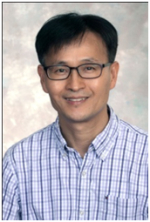
| Biography Dr. Jung Lee is Professor in BioMolecular Engineering Program at Milwaukee School of Engineering (MSOE). Before joining MSOE, Dr. Lee received his PhD in Bioinformatics and Medicinal Chemistry from The University of Texas at Austin in 2003, finished his post‐doctoral training with Center for Computational Biology and Bioinformatics (CCBB) at The University of Texas at Austin, and worked as Research Associate with the Center, mainly focusing on the computational study of RNA sequence and structure to better understand RNA folding and function as well as RNA‐protein interactions.Dr. Jung Lee was born in South Korea and he received a BS in Chemistry from Kyung Hee University at Seoul and a MS in Quantum and Computational Chemistry from Korea Advanced Institute of Science and Technology (KAIST). With his MS degree in Quantum and Computational Chemistry, Dr. Lee joined Medicinal Chemistry Division at Korea Institute of Science and Technology (KIST), working as a cheminformatician to apply various computational approaches in an effort to rationally design various drugs including cephalosporin antibiotics for treating bacterial infections, M1 agonists for Alzheimer’s disease, and protein tyrosine kinase inhibitors for cancer treatment. Research Interest
|  |
Wayne State University, USA
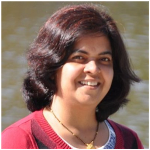
| Biography Dr. Sneh Lata is the lead computational biologist at the Wayne State University Detroit, USA. She completed her PhD at Institute of Microbial Technology (IMTECH), India. The focus of her graduate studies was to develop computer-aided/machine learning based methods to predict sub-unit vaccine candidates and adjuvants. After completing her PhD, she moved to Cold Spring Harbor Laboratory, NY, USA for her postdoctoral training and later worked as associate research scientist at Columbia University, NY, USA. During this time, she gained extensive experience in next generation sequencing data analysis. Her work includes analyzing Exome-Seq, Whole Genome sequencing, RNASeq, Methylseq, shRNAseq, ChIPseq, microarray data to answer complex biological questions. Her research work resulted in several peer-reviewed scholarly articles published in leading journals along with many conference presentations and book chapters. She has also developed/maintained immune-informatics databases. She has developed multiple user-friendly web servers which are publicly available for the research community. Research Interest
|  |
National Institute of Medical Sciences University, India
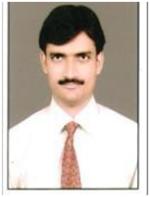
| Biography Rajesh Kumar Kesharwani is an Assistant Professor, National Institute of Medical Sciences University; He obtained Ph. D in 2014 from the Indian Institute of Information Technology. Authored 28+ peer-reviewed articles, four books accepted as co-editor together with more than 13 book chapters has been accepted for publication with international publishers. He has been members of many scientific communities and reviewer of many international journals (e.g. Molecular Biology Reports, Organic and Medicinal Chemistry Letters and Interdisciplinary Sciences--Computational Life Sciences etc.). He worked as faculty, National Institute of Technology, Warangal, India in 2014. He has ample exposure and experience on many bioinformatics software’s (PHYLIP, Dock, AutoDock, Gromacs, Tinker, OpenEye, Schrodinger Suite, ClcBio Workbench etc.) in windows as well as Linux platform together with basics of programming languages (C++, Perl and R) Research Interest
|  |
Amrita Institute of Medical Sciences and Research Centre, INDIA
| Biography Dr. Gopi Mohan C. is an Associate Professor at Amrita Center for Nanosciences and Molecular Medicine. He obtained Ph.D. from Banaras Hindu University, Varanasi. He gained experience as Post-doctoral fellow from the Molecular Biophysics Unit at the Indian Institute of Science, Bangalore, and as Research Officer from the Department of Biology and Biochemistry, University of Bath, United Kingdom. Further, he worked as an Associate Researcher of CNRS in Laboratories de Crystallography, and Modelisation des Materiaux Mineraux et Biologiques, University Henri Poincare, Nancy, France. During his research carrier he visited different countries which include: UK, Canada, France, Finland and USA. Dr. Gopi Mohan has experience being a faculty at the National Institute of Pharmaceutical Education & Research (NIPER), Mohali, Punjab, from 2005 and serving there for six and half years. During his stay at NIPER, he has been instrumental in setting up different laboratories in the Pharmacoinformatics discipline. He was a recipient of Indo-Finland grant for computational biology, relating to drug development, and had visited University of Helsinki and University of Turku, to complete this collaborative bilateral program, successfully. Dr. Gopi Mohan has supervised several Ph.D. and postgraduate students, and completed different research and industrial consultancy projects. He has published more than 70 research papers in refereed journals and is also an active reviewer of different international/national research journals, thesis and grants.Dr. Gopi Mohan is cited as an internationally recognized expert in the field of Structural Bioinformatics & Chemo informatics by Synergix Ltd. United Kingdom. Research Interest Computational Biology & Structural Bioinformatics Structure-Based Drug Design Protein crystallography Nanoinformatics |  |
Islamic Azad University, IRAN
| Biography Dr. Payam BEHZADI has graduated in Molecular Biology (Ph.D.) and collaborates with Department of Microbiology, College of Basic Sciences, Shahr-e-Qods Branch, Islamic Azad University, Tehran-Iran as a Faculty Member, since 2004.He successfully has accomplished his Bachelor of Science (B.Sc.) and Master of Science (M.Sc.) degrees in Microbiology. He teaches at University and has authored >15 Academic Books and >45 Original and Review. Research Interest Bioinformatics; Molecular Biology; Mycology (General, Medical, Environmental and applied); Microbiology (General, Medical, Environmental and applied). |  |
University of Southern California, USA
| Biography Dr. Sheng-He Huang currently is Associate Professor at the Division of Infectious Diseases/department of Pediatrics, University of Southern California Children’s Hospital Los Angeles. He graduated from The First Medical University of PLA in China in 1973 and then from Peking Union Medical College (PUMC)/Chinese Academy of Medical Sciences (CAMS) in 1981. He received his postdoctoral training in molecular pharmacology and microbial pathogenesis at the department of Pediatrics University of Southern California in 1986-1991. His research focus is in theoretical and applied issues of microbial infections. In 2002 Dr. Huang has coined the concept of infectomics, which is the holistic and integrative study of the interplay between microbial pathogens and their hosts, and the application of system biology and omic approaches in the field of infectious diseases. Dr. Huang recently proposed a new theory that microbial infection is a two-way paradigm not the conventional one-way view (J. Biomed. Biotechnol. 2008:856314, 2011:926407; Anti-Infective Agents, Vol.11, No.2. 2013). The most fundamental issue in infectomics is the relationship between Sym and Pat (two-way paradigm) in microbial infection. Dissecting of the dynamic Sym-Pat duality is essential for understanding of microbial infection using system biology and omic approaches. More recently, Dr. Huang has proposed that two types of symbiosis (Sym), exosymbiosis (e.g, microbiota) and endosymbiosis (e.g., mitochondria) are essential for health and that the exo-endo Sym balance (EESB) highly contribute to maintain the host homeostasis. Dr. Huang also devoted himself to the research on single cell infectomics of various pathogenic insults-caused blood-brain barrier disorders by integration of single cell profiling technologies and infectomic approaches. Pediatrics, University of Southern California Children’s Hospital Los Angeles. He graduated from The First Medical University of PLA in China in 1973 and then from Peking Union Medical College (PUMC)/Chinese Academy of Medical Sciences (CAMS) in 1981. He received his postdoctoral training in molecular pharmacology and microbial pathogenesis at the department of Pediatrics University of Southern California in 1986-1991. His research focus is in theoretical and applied issues of microbial infections. In 2002 Dr. Huang has coined the concept of infectomics, which is the holistic and integrative study of the interplay between microbial pathogens and their hosts, and the application of system biology and omic approaches in the field of infectious diseases. Dr. Huang recently proposed a new theory that microbial infection is a two-way paradigm not the conventional one-way view (J. Biomed. Biotechnol. 2008:856314, 2011:926407; Anti-Infective Agents, Vol.11, No.2. 2013). The most fundamental issue in infectomics is the relationship between Sym and Pat (two-way paradigm) in microbial infection. Dissecting of the dynamic Sym-Pat duality is essential for understanding of microbial infection using system biology and omic approaches. More recently, Dr. Huang has proposed that two types of symbiosis (Sym), exosymbiosis (e.g, microbiota) and endosymbiosis (e.g., mitochondria) are essential for health and that the exo-endo Sym balance (EESB) highly contribute to maintain the host homeostasis. Dr. Huang also devoted himself to the research on single cell infectomics of various pathogenic insults-caused blood-brain barrier disorders by integration of single cell profiling technologies and infectomic approaches. Research Interest
|  |
Animal Health Research Institute, EGYPT
| Biography Prof. Dr. Adel Tanios is a chief Researcher of Microbiology, Animal Health Research institute, Egypt. Over 30 years of experience in Bacteriology especially infectious and zoonotic diseases, he shared and supervised over than 30 Master and Ph.D Thesis in Veterinary Medical sciences and more than 40 scientific publications in animal and public health. Dr. Adel Tanios has shared in national and international programs and projects. He joined many international workshop especially in Africa, in addition to scientific activities with USDA, ARS. In Africa and Egypt, he contributed in community services and cultural development. In the field of epizootic diseases and avian flu, he designed many scientific publications and International presentation. Adel Tanios acquired an international expertise in Knowledge Management as a Team Leader of Knowledge Management in African Union Interafrican Bureau for Animal Resources. He provided strategic management and leadership to ensure high-quality outputs, outcomes and impacts through effective management of diverse, inter-disciplinary teams and partnerships which may be geographically distributed and will invariably involve multiple partner organizations. As a senior member of IBAR, he contributed to the overall management and direction of IBAR operations including Pan African Animal Health. In addition to microbiology; he has a strong academic background in Information Technology including two Masters from Microsoft and official Microsoft Trainer since 2004. He created many centralized Data Base and information systems. He has obtained many scientific awards especially from Minister of Agriculture and African Union Interafrican Bureau for Animal Resources as a good scientist and promotes Livestock development in the African Continent. Research Interest
|  |
University of Bari, Italy
| Biography Maria Antonietta Panaro was born on November 27, 1964 in Brindisi, Italy. She was a happy healthy baby. Her father, Modesto, worked as a non-commissioned officer in the Navy, her mother, Anna, took care of the home. Marie Antoinette was very studious in school and was intrigued by the scientific world. She loved children too and so he decided to attend teachers college to become a teacher. After graduating from high school teacher she continued her studies by enrolling in Biological Sciences and graduated in 1989. After earning the title of doctor finally became interested in the research that has now become her main occupation. She got married in 2000 with the nuclear medicine specialist Piergianni Moda, became the mother of three daughters, Erika, Dalila and Rebecca. She currently is a researcher at the Department of Biosciences, Biotechnology and Biopharmaceutics, University of Bari, Italy. Research Interest Studies of the inflammatory mechanisms on in vitro and in vitro models; Granulocytes and Macrophages responses: modulation of their biological activities (polarization, phagocytosis, killing, superoxide anion and nitric oxide release, inducible nitric oxide synthase (iNOS) induction, analysis of cytokine production and expression of cytokine receptors, apoptosis) by: (A) signaling molecules released from protozoa (Leishmania) or bacteria (LPS); (B) chemotactic agents; (C) pharmacological agents. Computational biology applied in the areas of nucleic acid and protein sequence research, molecular evolution, molecular genetics whit particular reference to chemokine receptors and mitochondrial carriers sequence evolution. *Granulocytes: morphometry and modeling of the cell polarization. |  |
Sanandaj Azad University, Iran
| Biography Dr. Fatemeh keshavarziis a assistant professor at the department of Genetics, Sanandaj Azad University, Kurdistan, Iran.She completed her PhD at Science and research university, Tehran . Her Academic Interests was Molecular genetics, medical genetics, human genetics, genetic engineering, bacterial genetics, bioinformatics, cellular and molecular biology, cancer genetics.
She had experience in Genetic counseling, Nucleic acid Extraction, Primer and probedesign software like GeneRunner, BLAST, Photo Cap , Electrophoresis: PAGE, SSCP, Cell Culture,Preparation of CVS, Karyotyping: Chromosome analysis and Chromosome Banding Techniqueslike G, C, Q- banding , Cloning and sub-cloning procedure , Molecular Methods like: Multiplex-PCR, SSCP, RFLP-PCR, Heteroduplex Analysis, (Amplification Refractory Mutation System)ARMS-PCR or Allele- Specific PCR, Linkage Analysis (VNTR Analysis), Biostatistics and researchdata analysis and application of software like SPSS, Excel, Next generation sequencing dataanalysis software, MLPA…. Research Interest Molecular genetics, medical genetics, human genetics, genetic engineering, bacterial genetics,bioinformatics, cellular and molecular biology, cancer genetics. |  |
Western Sydney University, Australia
| Biography Dr Abbas Amini is an assistant professor at Western Sydney University, ACK, and the member of graduate supervisory board. After obtaining PhD, he conducted research with other Australian universities, as a postdoctoral research fellow at Monash and Deakin Universities, and as a senior research fellow at the University of Melbourne. His fine outcomes have been presented in high impact factor journals, e.g., Nature publication group, and a recent published book in 2016. Abbas is the editor of ten reputed journals, and the committee member of 20 international conferences. Research Interest Bionanotech | 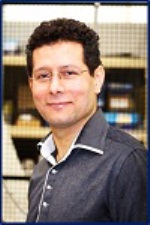 |
University of Arkansas, USA
| Biography Dr. Arun Sundararaman is a Leader in the IT Industry, recognized for specialization in Data and Analytics in Healthcare and known for active research pursuits and contribution to academics. Dr. Arun possesses Over 20 years of specialized-IT experience and demonstrated abilities in establishing, growing and maturing Data & Analytics Practice. Dr. Arun is known for his thought leadership in identifying newer avenues for driving enterprise value from data and analytics and creating solutions and platforms to execute these thoughts. Dr. Arun is also credited with architecting large scale analytics solutions for international clients in Healthcare and Banking Industries. Dr. Arun’s Current research interests and research projects include Big Data Quality for Public Health, Machine Learning from unstructured clinical notes, Big Data Architectures & Big Data Models. Dr. Arun is the recipient of the prestigious International award from MIT-IQ Program for contribution to Information Quality research (2014 Ballou & Pazer Dissertation Award) and serves as Affiliate Graduate Faculty at University of Arkansas at Little Rock. Dr. Arun has multiple publications to his credit and is on the Editorial Board of leading International Journals. Research Interest Strong thrust on ongoing research in “text mining in Healthcare”, “Data Quality Strategies in BigData. Innovative approaches to predictive analytics using mixed-data (insights from unstructured data and patterns from structured data). Functional overloading and data transformations in Big Data platforms (Spark, Cassandra, MR, Hive). DQ measurement, Data validation and DQ Solutions in Big Data platforms. Big Data Quality, ML from unstructured clinical notes, Big Data Architectures, Big Data Modeling, Data Quality Strategy, Data Governance | 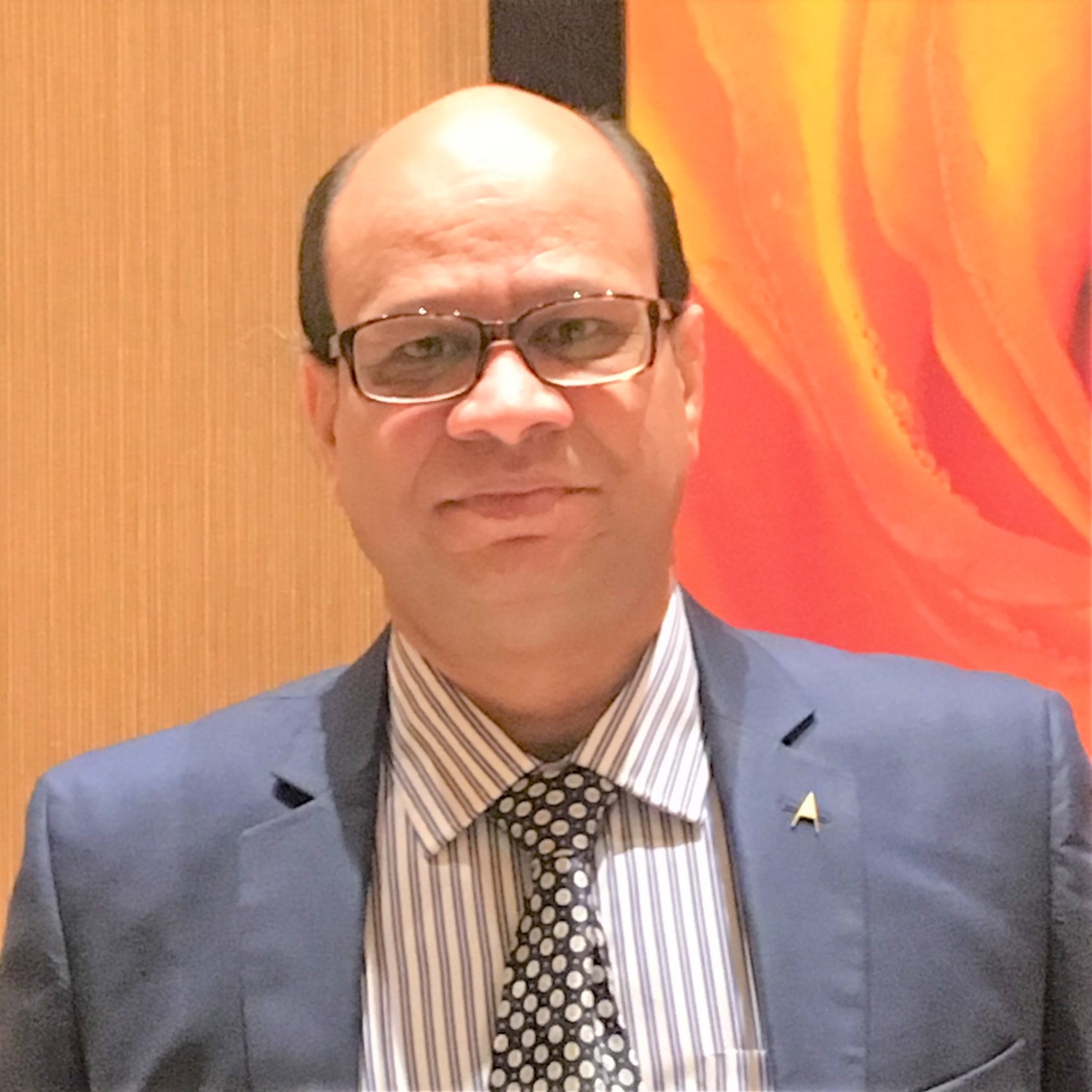 |

