


Research Article
Open Access
Is Cerebrolysin effective in reducing symptoms of Diabetic
Peripheral Neuropathy?
*Maged Abdel Naseer1, Ahmed Dahshan1, Amany Rabah1, Amr M. Fouad1,
Ashraf Galal2, Ashraf Okba3, Ayman M.
Kilany4, Ehab Hashish5, EmanSaif El Deen6, Hazem Elsawy1, Islam Alaghory7,
Mahmoud Elawady6, Mohamed Abdel
Fatah Sakr8, Mohamed Fouad9, Mohamed I. Hegazy1, Nirmeen kishk1, Yousef Dimian10
1*Prof. of Neurology, Faculty of Medicine, Cairo University
2Master Neuropsychiatry, Faculty of Medicine, Cairo University
3Prof. of Internal Medicine, Faculty of Medicine, Ain Shams University
4Assistant Professor of Neurology, Department of Research on children with special needs, Medical Research Institute/ National Research Center
5M.D of Neurology, Faculty of Medicine, Suez Canal University.
6Professor of Neurology, Faculty of Medicine, Al-Azhar University
7Assistant Professor of Neurosurgery, Faculty of Medicine, Al Azhar University
8Lecturer of Neurology, Faculty of Medicine, Misr University for Science and Technology
9M.D of Neurology, Faculty of Medicine, Ain Shams University
10B.Sc. in exercise science, Montclair State University
2Master Neuropsychiatry, Faculty of Medicine, Cairo University
3Prof. of Internal Medicine, Faculty of Medicine, Ain Shams University
4Assistant Professor of Neurology, Department of Research on children with special needs, Medical Research Institute/ National Research Center
5M.D of Neurology, Faculty of Medicine, Suez Canal University.
6Professor of Neurology, Faculty of Medicine, Al-Azhar University
7Assistant Professor of Neurosurgery, Faculty of Medicine, Al Azhar University
8Lecturer of Neurology, Faculty of Medicine, Misr University for Science and Technology
9M.D of Neurology, Faculty of Medicine, Ain Shams University
10B.Sc. in exercise science, Montclair State University
*Corresponding author: Maged Abdel Naseer,MD, Prof. of Neurology, Faculty of Medicine-Cairo University, Tel: 01001604861; E-mail:@
Received: November 24th, 2022; Accepted: November 25th, 2022; Published: January 24th, 2023
Citation: Maged Abdel Naseer, Ahmed Dahshan, Amany Rabah, Amr M. Fouad et al. (2023) Is Cerebrolysin effective in reducing Page 9 of 10
symptoms of Diabetic Peripheral Neuropathy?. J Endocrinol Diab. 10(1): 1-10 DOI: 10.15226/2374-6890/10/1/001159
Keywords:
Cerebrolysin; Diabetic peripheral neuropathy; VASS; TCSS; LANSS
AbstractTop
Aim
This is an investigator initiated observational comparative medical program, to test the efficacy of Cerebrolysin® intake for 1 month versus 2 months, in patients clinically diagnosed with type 2 diabetes mellitus (T2DM) and suffering from peripheral neuropathy.
Methods
Patients aged ≥ 18 years old, clinically diagnosed with mild or moderate painful diabetic polyneuropathy, received Cerebrolysin® for 1 or 2 months according to investigators’ decision. Demographic data, detailed medical history, and laboratory results were collected at baseline. All enrolled patients were evaluated for Toronto Clinical Scoring System (TCSS), Visual Analogue Scale (VAS) and Leeds Assessment of Neuropathic Symptoms and Signs Pain Scale (LANSS) at baseline and end of the program (1 month/2 month).
Results
VAS, TCSS, and LANSS were significantly improved for all 136 enrolled patients at the end of their treatment with Cerebrolysin® for 1 or 2 months, regarding gender, duration since diagnosis of T2DM (more than or less than 10 years) and HbA1c ≤ 9% or ˃ 9%, with a very highly statistically significant difference (p-value ˂ 0.001). They were slightly improved more in patients received Cerebrolysin® for 1 month more than for 2 months. There was no statistically significant difference for gender, duration of diagnosis with diabetes mellitus less or more than 10 years, and HbA1c ≤ 9% & ˃ 9% regarding the change of VAS, TCSS, and LANSS as dependent variables, using Linear stepwise regression. While there was noticed improvement in VAS, TCSS, and LANSS with use of Cerebrolysin® for 1 month more than 2 months, Regression Coefficient (B (95% of Confidence interval)) B=0.794 (0.29-1.29), B=1.472 (0.87-2.074), B=2.143 (0.45-3.83) and p-value = 0.002, p-value ˂ 0.001, p-value = 0.13 respectively.
There was no adverse event (AE) or serious adverse event (SAE) reported during the program. Conclusion:
Cerebrolysin® is considered effective in the management of peripheral neuropathy in patients with T2DM
Abbreviations:
Adverse Event (AE), Advanced Glycation End products (AGE), Contract Research Organization (CRO), Diabetic Peripheral Neuropathy (DPN), Diacylglycerol (DAG), estimated Glomerular Filtration (eGFR), Fasting Blood Sugar (FBS), Leeds Assessment of Neuropathic Symptoms and Signs Pain Scale (LANSS), Peripheral Vascular Disease (PVD), Pin- Prick Threshold (PPT), Protein Kinase C (PKC), Statistical Analysis Plan (SAP), Serious Adverse Event (SAE), Standard Deviation (SD), Type 1 Diabetes Mellitus (T1DM), Type 2 Diabetes Mellitus (T2DM), Toronto Clinical Scoring System (TCSS), Traumatic Brain Injury (TBI), Visual Analogue Scale (VAS).
This is an investigator initiated observational comparative medical program, to test the efficacy of Cerebrolysin® intake for 1 month versus 2 months, in patients clinically diagnosed with type 2 diabetes mellitus (T2DM) and suffering from peripheral neuropathy.
Methods
Patients aged ≥ 18 years old, clinically diagnosed with mild or moderate painful diabetic polyneuropathy, received Cerebrolysin® for 1 or 2 months according to investigators’ decision. Demographic data, detailed medical history, and laboratory results were collected at baseline. All enrolled patients were evaluated for Toronto Clinical Scoring System (TCSS), Visual Analogue Scale (VAS) and Leeds Assessment of Neuropathic Symptoms and Signs Pain Scale (LANSS) at baseline and end of the program (1 month/2 month).
Results
VAS, TCSS, and LANSS were significantly improved for all 136 enrolled patients at the end of their treatment with Cerebrolysin® for 1 or 2 months, regarding gender, duration since diagnosis of T2DM (more than or less than 10 years) and HbA1c ≤ 9% or ˃ 9%, with a very highly statistically significant difference (p-value ˂ 0.001). They were slightly improved more in patients received Cerebrolysin® for 1 month more than for 2 months. There was no statistically significant difference for gender, duration of diagnosis with diabetes mellitus less or more than 10 years, and HbA1c ≤ 9% & ˃ 9% regarding the change of VAS, TCSS, and LANSS as dependent variables, using Linear stepwise regression. While there was noticed improvement in VAS, TCSS, and LANSS with use of Cerebrolysin® for 1 month more than 2 months, Regression Coefficient (B (95% of Confidence interval)) B=0.794 (0.29-1.29), B=1.472 (0.87-2.074), B=2.143 (0.45-3.83) and p-value = 0.002, p-value ˂ 0.001, p-value = 0.13 respectively.
There was no adverse event (AE) or serious adverse event (SAE) reported during the program. Conclusion:
Cerebrolysin® is considered effective in the management of peripheral neuropathy in patients with T2DM
Abbreviations:
Adverse Event (AE), Advanced Glycation End products (AGE), Contract Research Organization (CRO), Diabetic Peripheral Neuropathy (DPN), Diacylglycerol (DAG), estimated Glomerular Filtration (eGFR), Fasting Blood Sugar (FBS), Leeds Assessment of Neuropathic Symptoms and Signs Pain Scale (LANSS), Peripheral Vascular Disease (PVD), Pin- Prick Threshold (PPT), Protein Kinase C (PKC), Statistical Analysis Plan (SAP), Serious Adverse Event (SAE), Standard Deviation (SD), Type 1 Diabetes Mellitus (T1DM), Type 2 Diabetes Mellitus (T2DM), Toronto Clinical Scoring System (TCSS), Traumatic Brain Injury (TBI), Visual Analogue Scale (VAS).
IntroductionTop
Diabetic peripheral neuropathy is a multifactorial and complex
entity in which various factors besides Hyperglycemia play
an important role including oxidative stress and vascular and
metabolic factors[1,2].
According to international statistics, around one-third of diabetic subjects have painful diabetic peripheral neuropathy[3].Damage to the small nerve fibers such assensory nerves is the first and most common pathological change. Symptoms in patients with Diabetic Peripheral Neuropathy(DPN) include hypoesthesia and sensory deficits. Dysfunction of motor and autonomic nerves is also observed[4].
National data in Egypt confirmed that 29.3% of diabetic Egyptian subjects suffer from peripheral neuropathy. Several studies revealed that diabetic peripheral neuropathy is more common in T2DM than T1DM and is more prevalent in females than males [5].
Cerebrolysin® is a medication used in psychiatry and neurology for over 50 years [6]. It is a non- lipid preparation of free amino acids and low molecular weight neuropeptides in the form of intravenous infusion or intramuscular injection. [6,7] Cerebrolysin® is a complex biological agent with unique pharmacologic properties; it has a multimodal mechanism of action that mirrors endogenous defense responses in the brain and neurons, allowing anti-correlated transition from immediate neuroprotection processes that limit impairment to profound and long-term neuro-recovery by promoting neuro-trophicity, neuroplasticity, and neurogenesis. Also, Cerebrolysin® protects against pathological events and cascades, which result from trauma or neurodegenerative disease, reduces the number of free radicals and pro-apoptotic enzymes, affects neuroplasticity and neurogenesis, stimulates cell differentiation, and supports nerve cell function [4,6,7,8].
Cerebrolysin® passes the blood-brain barrier and is indicated for: acute stroke (both hemorrhagic and ischemic stroke) and cognitive impairment, including dementia and Alzheimer’s disease [6, 7].
A systematic review and meta-analysis found that Cerebrolysin® improves the functional outcome in patients with traumatic brain injury (TBI) by the Glasgow Outcome Scale and modified Rankin Scale scores. [9]
The management of diabetic peripheral neuropathy depends mainly on diabetes control and some specific medications such as; tricyclic anti-depressant, anti-convulsant, and Vitamin B complex. Cerebrolysin® proved its efficacy in the management of peripheral nervous system diseases in animals & humans in a few studies. A case series study from Egypt in 2011 showed positive results for the therapeutic efficacy of Cerebrolysin®, which treated acquired peripheral nervous system diseases in six patients with peripheral neuropathy who failed to respond to conventional therapies. [7]
Cerebrolysin® has shown significant subjective improvement of painful diabetic neuropathy in type 2 diabetic patients as shown in G. Biesenbach et al. study [10]. In 2016, a preclinical study showed that the number, diameter, and area of myelinated nerve fibers increased in the sciatic nerves of mice after the administration of Cerebrolysin®. [4] In 2018, Tamer M. Attia’s study showed that Cerebrolysin®, as an adjunctive treatment, has a therapeutic effect in the management of idiopathic facial paralysis as a form of peripheral nerve disorder with a significant effect on the speed of recovery [11].
Based on the available data, investigators decided to conduct this program to assess the beneficial effects of Cerebrolysin® in the clinical routine treatment of diabetic peripheral neuropathy.
According to international statistics, around one-third of diabetic subjects have painful diabetic peripheral neuropathy[3].Damage to the small nerve fibers such assensory nerves is the first and most common pathological change. Symptoms in patients with Diabetic Peripheral Neuropathy(DPN) include hypoesthesia and sensory deficits. Dysfunction of motor and autonomic nerves is also observed[4].
National data in Egypt confirmed that 29.3% of diabetic Egyptian subjects suffer from peripheral neuropathy. Several studies revealed that diabetic peripheral neuropathy is more common in T2DM than T1DM and is more prevalent in females than males [5].
Cerebrolysin® is a medication used in psychiatry and neurology for over 50 years [6]. It is a non- lipid preparation of free amino acids and low molecular weight neuropeptides in the form of intravenous infusion or intramuscular injection. [6,7] Cerebrolysin® is a complex biological agent with unique pharmacologic properties; it has a multimodal mechanism of action that mirrors endogenous defense responses in the brain and neurons, allowing anti-correlated transition from immediate neuroprotection processes that limit impairment to profound and long-term neuro-recovery by promoting neuro-trophicity, neuroplasticity, and neurogenesis. Also, Cerebrolysin® protects against pathological events and cascades, which result from trauma or neurodegenerative disease, reduces the number of free radicals and pro-apoptotic enzymes, affects neuroplasticity and neurogenesis, stimulates cell differentiation, and supports nerve cell function [4,6,7,8].
Cerebrolysin® passes the blood-brain barrier and is indicated for: acute stroke (both hemorrhagic and ischemic stroke) and cognitive impairment, including dementia and Alzheimer’s disease [6, 7].
A systematic review and meta-analysis found that Cerebrolysin® improves the functional outcome in patients with traumatic brain injury (TBI) by the Glasgow Outcome Scale and modified Rankin Scale scores. [9]
The management of diabetic peripheral neuropathy depends mainly on diabetes control and some specific medications such as; tricyclic anti-depressant, anti-convulsant, and Vitamin B complex. Cerebrolysin® proved its efficacy in the management of peripheral nervous system diseases in animals & humans in a few studies. A case series study from Egypt in 2011 showed positive results for the therapeutic efficacy of Cerebrolysin®, which treated acquired peripheral nervous system diseases in six patients with peripheral neuropathy who failed to respond to conventional therapies. [7]
Cerebrolysin® has shown significant subjective improvement of painful diabetic neuropathy in type 2 diabetic patients as shown in G. Biesenbach et al. study [10]. In 2016, a preclinical study showed that the number, diameter, and area of myelinated nerve fibers increased in the sciatic nerves of mice after the administration of Cerebrolysin®. [4] In 2018, Tamer M. Attia’s study showed that Cerebrolysin®, as an adjunctive treatment, has a therapeutic effect in the management of idiopathic facial paralysis as a form of peripheral nerve disorder with a significant effect on the speed of recovery [11].
Based on the available data, investigators decided to conduct this program to assess the beneficial effects of Cerebrolysin® in the clinical routine treatment of diabetic peripheral neuropathy.
Materials and MethodsTop
This is an investigator initiated observational comparative
medical program. It is conducted in 15 Egyptian medical centers
to evaluate the efficacy of Cerebrolysin® intake for short term
(1 month) versus longer term (2 months) with reduced dose
of Cerebrolysin® in the second month, in patients clinically
diagnosed with T2DM and suffering from peripheral neuropathy.
The program enrolled 136 diabetic Egyptian patients with T2DM and peripheral neuropathy. It was planned that one group of patients will receive daily Cerebrolysin® injections (5ml) for 5 days a week for 4 weeks (20-22 injections/month) and the other group will receive daily Cerebrolysin® injections (5ml) for 5 days a week for 4 weeks followed by another treatment of 3 times a week for another 4 weeks (12 injections/ month). All patients completed the program.
Patients were evaluated at baseline for blood glucose level, serum creatinine, and estimated Glomerular Filtration Rate (eGFR). Also, patients were evaluated for TCSS, VAS and LANSS at baseline and end of the program (1 month/2 months).
Inclusion criteria
Males and females aged ≥ 18 years old, with mild and moderate clinically diagnosed with painful diabetic polyneuropathy; defined by TCSS up to 12 and with HbA1c up to 12% (patients with HbA1c > 9% must receive insulin therapy).
Exclusion Criteria
Patients with significant liver problems, poor kidney function with S. creatinine ˃ 2 mg/dl, recently or currently participating in a clinical study with an experimental drug, or patients with severe painful diabetic polyneuropathy diagnosed by TCSS more than 12. Women who were pregnant or breastfeeding and patients who had fractures of lower limbs or severe osteoporosis. Besides, patients with gross other musculoskeletal problems or significant scar tissue (ulcers, diabetic foot, etc.), with marked Peripheral Vascular Disease (PVD) diagnosed clinically, severe microcirculatory problems, or with autonomic neuropathy.
Evaluation Parameters Toronto Clinical Scoring System (TCSS)
The TCSS was based on classic neurological history and examination techniques and was designed to be simple. Each patient was questioned about the presence or absence of pain and weakness in the feet and upper limbs. The clinical neuropathy score is a continuous variable ranging from a minimum of 0 (no neuropathy) to a maximum of 19 points. [12]
Visual Analogue Scale/Score (VAS)
VAS is a subjective psychometric response scale used to measure pain intensity based on a linear numerical gradient. Patients marked pain severity in the previous week on a 10cm line with ‘0’ indicating pain-free and ‘10’ indicating worst pain imaginable. Also, VAS was shown to thepatients on a scale of faces from 0 to 5. They were requested to report pain intensity within the last 24 hours and their least and most intense pain levels. [13, 14]
Leeds Assessment of Neuropathic Symptoms and Signs pain scale (LANSS)
This scale was used to categorize pain. Patients were asked to assess & evaluate their pain during the previous week, and scores were assigned to “yes” and “no” responses, the minimum score is 0, and the maximum score is 16. In the sensory assessment, the presence of allodynia and the change in Pin Prick Threshold (PPT) were examined. The minimum score for the sensory assessment is 0, and the maximum scoreis 8, with a maximum total score of 24. [14]
Clinical Grouping
One hundred eighty-one (181) patients were screened, 45 patients out of them were screen failure, and 136 patients met eligibility criteria as per inclusion/exclusion criteria of the protocol and were enrolled into the program. All 136 patients completed the program without any noncompliance or drop-out, 57 patients completed their treatment after 1 month, and 79 patients completed their treatment after 2 months,
The program enrolled 136 diabetic Egyptian patients with T2DM and peripheral neuropathy. It was planned that one group of patients will receive daily Cerebrolysin® injections (5ml) for 5 days a week for 4 weeks (20-22 injections/month) and the other group will receive daily Cerebrolysin® injections (5ml) for 5 days a week for 4 weeks followed by another treatment of 3 times a week for another 4 weeks (12 injections/ month). All patients completed the program.
Patients were evaluated at baseline for blood glucose level, serum creatinine, and estimated Glomerular Filtration Rate (eGFR). Also, patients were evaluated for TCSS, VAS and LANSS at baseline and end of the program (1 month/2 months).
Inclusion criteria
Males and females aged ≥ 18 years old, with mild and moderate clinically diagnosed with painful diabetic polyneuropathy; defined by TCSS up to 12 and with HbA1c up to 12% (patients with HbA1c > 9% must receive insulin therapy).
Exclusion Criteria
Patients with significant liver problems, poor kidney function with S. creatinine ˃ 2 mg/dl, recently or currently participating in a clinical study with an experimental drug, or patients with severe painful diabetic polyneuropathy diagnosed by TCSS more than 12. Women who were pregnant or breastfeeding and patients who had fractures of lower limbs or severe osteoporosis. Besides, patients with gross other musculoskeletal problems or significant scar tissue (ulcers, diabetic foot, etc.), with marked Peripheral Vascular Disease (PVD) diagnosed clinically, severe microcirculatory problems, or with autonomic neuropathy.
Evaluation Parameters Toronto Clinical Scoring System (TCSS)
The TCSS was based on classic neurological history and examination techniques and was designed to be simple. Each patient was questioned about the presence or absence of pain and weakness in the feet and upper limbs. The clinical neuropathy score is a continuous variable ranging from a minimum of 0 (no neuropathy) to a maximum of 19 points. [12]
Visual Analogue Scale/Score (VAS)
VAS is a subjective psychometric response scale used to measure pain intensity based on a linear numerical gradient. Patients marked pain severity in the previous week on a 10cm line with ‘0’ indicating pain-free and ‘10’ indicating worst pain imaginable. Also, VAS was shown to thepatients on a scale of faces from 0 to 5. They were requested to report pain intensity within the last 24 hours and their least and most intense pain levels. [13, 14]
Leeds Assessment of Neuropathic Symptoms and Signs pain scale (LANSS)
This scale was used to categorize pain. Patients were asked to assess & evaluate their pain during the previous week, and scores were assigned to “yes” and “no” responses, the minimum score is 0, and the maximum score is 16. In the sensory assessment, the presence of allodynia and the change in Pin Prick Threshold (PPT) were examined. The minimum score for the sensory assessment is 0, and the maximum scoreis 8, with a maximum total score of 24. [14]
Clinical Grouping
One hundred eighty-one (181) patients were screened, 45 patients out of them were screen failure, and 136 patients met eligibility criteria as per inclusion/exclusion criteria of the protocol and were enrolled into the program. All 136 patients completed the program without any noncompliance or drop-out, 57 patients completed their treatment after 1 month, and 79 patients completed their treatment after 2 months,
Statistical AnalysisTop
Sample size
136 enrolled patients with diabetic peripheral neuropathy (DPN) collected from 15 medical centers with a confidence level of 95% and margin error 8.37%
Test for Normality and Validity
Normality was done by the Kolmogorov-Smirnov and validity test by correlations between values before the main data analysis, to choose the appropriate statistics and significant tests that will be used.
Descriptive Analysis: • Descriptive analyses of the collected data: all B
• All quantitative main endpoint variables will be described and summarized using appropriate summary statistics as n (number of subjects), mean, Standard Deviation (S.D.), range (min- max), median and interquartile range (Q1-Q3).
Comparative Analysis:
• All tests will be performed on the 5% level of significance.
• Wilcoxon signed-rank test to estimate the change in numerical variables throughout the program visits.
• Mann-Whitney U test to estimate the change between the subgroups for the numerical variables.
• Stepwise Linear Regression was used to find regression coefficient (B) and odds ratio (OR) to fit the relationship between main endpoints change of VAS, TCSS, and LANSS as dependent variables with Predictors at baseline visits such as gender, period of treatment, duration of diabetes and Hba1c.
• P-values less than 0.05 will be considered statistically significant
• ‘NS’ means that p-value is not statistically significant >0.05, * means that p-value is a statistically significant < 0.05 & > 0.01, ** means that p-value is a high statistically significant < 0.01 & > 0.001 *** means that p-value is a very highly statistically significant, p-value < 0.001.
Patients’ characteristics at baseline
Demographic Data at Baseline Visit
There were 26 males and 31 females, who received Cerebrolysin® for 1 month with mean age 59.21 ± 8.53 (mean ± SD) years, while 36 males and 43 females received Cerebrolysin® for 2 months with mean age 61.03 ± 8.62 years, without statistical significance in gender between both groups, as per Table 1 & Table 2
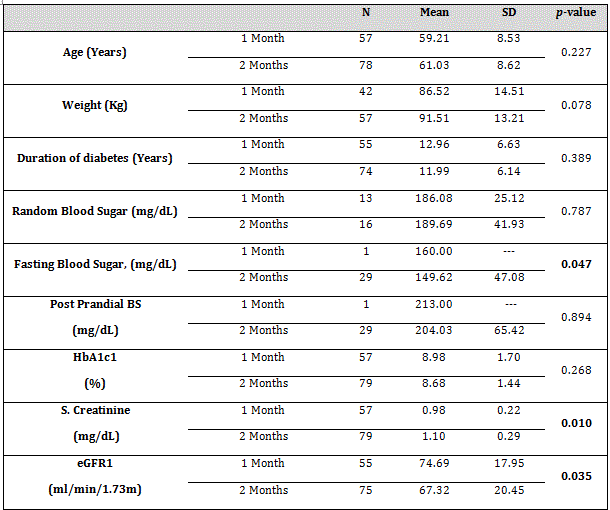
The mean weight of patients received Cerebrolysin® for 1 month was 86.52 ± 14.51 Kg, while 91.51 ± 13.21 kg for patients who received Cerebrolysin® for 2 months without statistical significant difference, as per Table 2
Period of treatment in the program
There were 57 patients, representing 41.9 % of the total enrolled population, who received Cerebrolysin® for 1 month (daily Cerebrolysin® injection for 5 days a week) and were followed up after 30-57 days from the baseline visit. While 79 patients, representing 58.1 % of the total enrolled population, received Cerebrolysin® for 2 months (daily Cerebrolysin® injection for 5 days a week for 4 weeks, then 3 times a week for another 4 weeks) have been followed up after 56-126 days.
Duration of diagnosis with T2DM
26 patients, representing 47% of the group who received Cerebrolysin® for 1 month suffered from T2DM for less than 10 years, and 29 patients (53%) for more than 10 years.
136 enrolled patients with diabetic peripheral neuropathy (DPN) collected from 15 medical centers with a confidence level of 95% and margin error 8.37%
Test for Normality and Validity
Normality was done by the Kolmogorov-Smirnov and validity test by correlations between values before the main data analysis, to choose the appropriate statistics and significant tests that will be used.
Descriptive Analysis: • Descriptive analyses of the collected data: all B
• All quantitative main endpoint variables will be described and summarized using appropriate summary statistics as n (number of subjects), mean, Standard Deviation (S.D.), range (min- max), median and interquartile range (Q1-Q3).
Comparative Analysis:
• All tests will be performed on the 5% level of significance.
• Wilcoxon signed-rank test to estimate the change in numerical variables throughout the program visits.
• Mann-Whitney U test to estimate the change between the subgroups for the numerical variables.
• Stepwise Linear Regression was used to find regression coefficient (B) and odds ratio (OR) to fit the relationship between main endpoints change of VAS, TCSS, and LANSS as dependent variables with Predictors at baseline visits such as gender, period of treatment, duration of diabetes and Hba1c.
• P-values less than 0.05 will be considered statistically significant
• ‘NS’ means that p-value is not statistically significant >0.05, * means that p-value is a statistically significant < 0.05 & > 0.01, ** means that p-value is a high statistically significant < 0.01 & > 0.001 *** means that p-value is a very highly statistically significant, p-value < 0.001.
Patients’ characteristics at baseline
Demographic Data at Baseline Visit
There were 26 males and 31 females, who received Cerebrolysin® for 1 month with mean age 59.21 ± 8.53 (mean ± SD) years, while 36 males and 43 females received Cerebrolysin® for 2 months with mean age 61.03 ± 8.62 years, without statistical significance in gender between both groups, as per Table 1 & Table 2
The mean weight of patients received Cerebrolysin® for 1 month was 86.52 ± 14.51 Kg, while 91.51 ± 13.21 kg for patients who received Cerebrolysin® for 2 months without statistical significant difference, as per Table 2
Period of treatment in the program
There were 57 patients, representing 41.9 % of the total enrolled population, who received Cerebrolysin® for 1 month (daily Cerebrolysin® injection for 5 days a week) and were followed up after 30-57 days from the baseline visit. While 79 patients, representing 58.1 % of the total enrolled population, received Cerebrolysin® for 2 months (daily Cerebrolysin® injection for 5 days a week for 4 weeks, then 3 times a week for another 4 weeks) have been followed up after 56-126 days.
Duration of diagnosis with T2DM
26 patients, representing 47% of the group who received Cerebrolysin® for 1 month suffered from T2DM for less than 10 years, and 29 patients (53%) for more than 10 years.
Table 1: Number and percent of patients in different Patients’ characteristics at baseline visit between patients received
Cerebrolysin® for 1 and 2 months
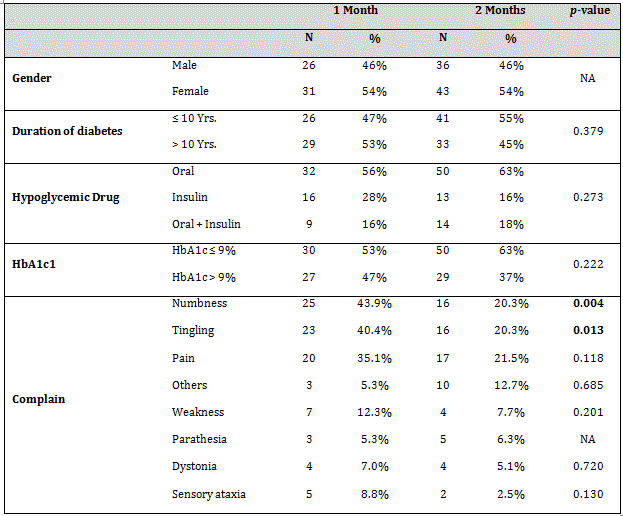
Table 2: Patients’ characteristics at baseline for Cerebrolysin® intake for 1 and 2 months
41 patients, representing 55% of the group who received
Cerebrolysin® for 2 months suffered from T2DM for less than
10 years, and 33 patients (45%) for more than 10 years, with no
statistically significant difference between the 2 groups, as per
Table 1
Diabetes Mellitus Treatment
Patients received oral hypoglycemic drugs, insulin or both oral hypoglycemic drugs and insulin in the 2 groups, who received Cerebrolysin® for 1 or 2 months without statistically significant difference, as per Table 1
Laboratory Tests
Mean random and post prandial blood sugar, and HbA1c1 showed no statistically significant difference between patients received Cerebrolysin® for 1 or 2 months (p-value = 0.787, 0.894 and 0.268 respectively).
Mean fasting blood sugar (FBS) showed statistically significant difference between both groups (p-value = 0.047). Mean serum creatinine showed a statistically significant difference between both groups (p-value = 0.010) and mean eGFR showed statistically significant difference between both groups receiving Cerebrolysin® for 1 or 2 months (p-value = 0.035), as per Table 2
There was no statistically significant difference between patients with HbA1C less or more than 9% and received Cerebrolysin® for 1 or 2 months (p-value = 0.222), as per table 1
Symptoms of diabetic Peripheral Neuropathy
Patients in the group who received Cerebrolysin® for 1 month had more numbness and tingling than patients received it for 2 months, with statistically significant difference (p-value = 0.004 and 0.013 respectively). Also, pain was more in patients received treatment for 1 month compared to 2 months without statistically significant difference (p-value = 0.118).
Other symptoms in both groups were: weakness, paresthesia & dystonia, sensory ataxia, Glove & Stocking neuropathy, cerebral vascular stroke, hypoesthesia, cramps, cardiovascular diseases, cramps, spondylosis, imbalance, and vertigo, with no statistically significant difference between both groups, as per table 1
Diabetes Mellitus Treatment
Patients received oral hypoglycemic drugs, insulin or both oral hypoglycemic drugs and insulin in the 2 groups, who received Cerebrolysin® for 1 or 2 months without statistically significant difference, as per Table 1
Laboratory Tests
Mean random and post prandial blood sugar, and HbA1c1 showed no statistically significant difference between patients received Cerebrolysin® for 1 or 2 months (p-value = 0.787, 0.894 and 0.268 respectively).
Mean fasting blood sugar (FBS) showed statistically significant difference between both groups (p-value = 0.047). Mean serum creatinine showed a statistically significant difference between both groups (p-value = 0.010) and mean eGFR showed statistically significant difference between both groups receiving Cerebrolysin® for 1 or 2 months (p-value = 0.035), as per Table 2
There was no statistically significant difference between patients with HbA1C less or more than 9% and received Cerebrolysin® for 1 or 2 months (p-value = 0.222), as per table 1
Symptoms of diabetic Peripheral Neuropathy
Patients in the group who received Cerebrolysin® for 1 month had more numbness and tingling than patients received it for 2 months, with statistically significant difference (p-value = 0.004 and 0.013 respectively). Also, pain was more in patients received treatment for 1 month compared to 2 months without statistically significant difference (p-value = 0.118).
Other symptoms in both groups were: weakness, paresthesia & dystonia, sensory ataxia, Glove & Stocking neuropathy, cerebral vascular stroke, hypoesthesia, cramps, cardiovascular diseases, cramps, spondylosis, imbalance, and vertigo, with no statistically significant difference between both groups, as per table 1
ResultsTop
VAS Score
VAS significantly improved from baseline to end of the program in both treatment groups, whether received Cerebrolysin® for 1 or 2 months with p-value ˂ 0.001, with all predictors as gender, duration of diagnosis as diabetic patient and HbA1C. However, there was no statistical significance in percent change between baseline and end of treatment with Cerebrolysin® for both groups in VAS, except for males, duration of diagnosis as diabetic patient for less than 10 years and patients with HbA1c less than 9%.
VAS improved in males received Cerebrolysin® for 1 month more than who received it for 2 months, with highly statistically significant difference (p-value = 0.005), as per Figure 1. VAS improved after 1 month of Cerebrolysin® intake in diabetic patients diagnosed since less than 10 years more than after 2 months’ intake, with highly statistically significant difference (p-value < 0.001), as per Figure 2
VAS improved after 1 month of Cerebrolysin® intake in patients with HbA1c less than 9% more than after 2 months’ intake, with highly statistically significant difference (p-value = 0.007), as per Figure 3.
There was no statistically significant difference between male and females, patients diagnosed as diabetic since less or more than 10 years and patients with HbA1c less or more than 9% and between 1 or 2 months
TCSS Score
Both treatment groups, whether 1 or 2 months of Cerebrolysin® intake, showed improvement in TCSS with very highly statistically significant difference between baseline and end of the program regarding gender (male, female), duration of diagnosis as diabetic patient (≤ 10 Yrs, > 10 Yrs) and HbA1c (≤ 9%, > 9%), (p-value ˂ 0.001).
TCSS improved after 2 months of Cerebrolysin® intake in males more than after 1 month intake, with very highly statistically significant difference (p-value = 0.004). While, improved in females who received Cerebrolysin® for 1 month more than for 2 months, with very highly statistically significant difference (p-value = 0.006), as per Figure 1.
TCSS improved after 1 month of Cerebrolysin® intake more than after 2 months, in patients diagnosed as diabetics for less or more than 10 years, with statistically significant difference between both groups, (p-value < 0.001 and 0.021 respectively), as per Figure 2
TCSS improved after 1 and 2 months of Cerebrolysin® intake in patients with HbA1c less or more than 9%, more in patients received it for 1 month, with statistically significant difference for HbA1c less or more than 9 (p-value = 0.001 and 0.024 respectively), as per Figure 3.
LANSS Score
LANSS significantly improved from baseline to end of the program in both treatment groups, whether received Cerebrolysin® for 1 or 2 months with all predictors as gender, duration of diagnosis as diabetic patient and HbA1c., with p-value ˂ 0.001. There was statistically significant difference in percent change between baseline and end of treatment for females, duration of diagnosis as diabetic patient for less than 10 years and patients with HbA1c less or more than 9%. LANSS improved in females after 1 month of Cerebrolysin®
VAS significantly improved from baseline to end of the program in both treatment groups, whether received Cerebrolysin® for 1 or 2 months with p-value ˂ 0.001, with all predictors as gender, duration of diagnosis as diabetic patient and HbA1C. However, there was no statistical significance in percent change between baseline and end of treatment with Cerebrolysin® for both groups in VAS, except for males, duration of diagnosis as diabetic patient for less than 10 years and patients with HbA1c less than 9%.
VAS improved in males received Cerebrolysin® for 1 month more than who received it for 2 months, with highly statistically significant difference (p-value = 0.005), as per Figure 1. VAS improved after 1 month of Cerebrolysin® intake in diabetic patients diagnosed since less than 10 years more than after 2 months’ intake, with highly statistically significant difference (p-value < 0.001), as per Figure 2
VAS improved after 1 month of Cerebrolysin® intake in patients with HbA1c less than 9% more than after 2 months’ intake, with highly statistically significant difference (p-value = 0.007), as per Figure 3.
There was no statistically significant difference between male and females, patients diagnosed as diabetic since less or more than 10 years and patients with HbA1c less or more than 9% and between 1 or 2 months
TCSS Score
Both treatment groups, whether 1 or 2 months of Cerebrolysin® intake, showed improvement in TCSS with very highly statistically significant difference between baseline and end of the program regarding gender (male, female), duration of diagnosis as diabetic patient (≤ 10 Yrs, > 10 Yrs) and HbA1c (≤ 9%, > 9%), (p-value ˂ 0.001).
TCSS improved after 2 months of Cerebrolysin® intake in males more than after 1 month intake, with very highly statistically significant difference (p-value = 0.004). While, improved in females who received Cerebrolysin® for 1 month more than for 2 months, with very highly statistically significant difference (p-value = 0.006), as per Figure 1.
TCSS improved after 1 month of Cerebrolysin® intake more than after 2 months, in patients diagnosed as diabetics for less or more than 10 years, with statistically significant difference between both groups, (p-value < 0.001 and 0.021 respectively), as per Figure 2
TCSS improved after 1 and 2 months of Cerebrolysin® intake in patients with HbA1c less or more than 9%, more in patients received it for 1 month, with statistically significant difference for HbA1c less or more than 9 (p-value = 0.001 and 0.024 respectively), as per Figure 3.
LANSS Score
LANSS significantly improved from baseline to end of the program in both treatment groups, whether received Cerebrolysin® for 1 or 2 months with all predictors as gender, duration of diagnosis as diabetic patient and HbA1c., with p-value ˂ 0.001. There was statistically significant difference in percent change between baseline and end of treatment for females, duration of diagnosis as diabetic patient for less than 10 years and patients with HbA1c less or more than 9%. LANSS improved in females after 1 month of Cerebrolysin®
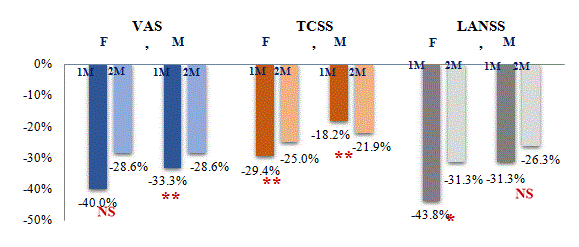
Figure 1: Median Percent change from baseline to end of program between duration of treatment (1 Month and 2 Months) and Gender (Male and
Female)
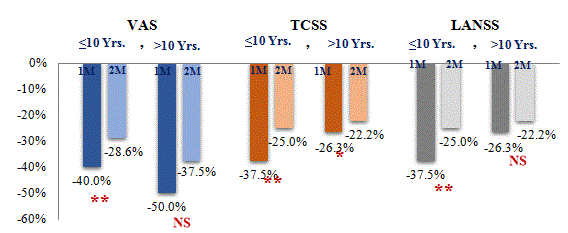
Figure 2: Median Percent change from baseline to end of program between duration of treatment (1 Month and 2 Months) regarding Duration of
diagnosis as diabetic (≤10 Yrs. &>10 Yrs.)
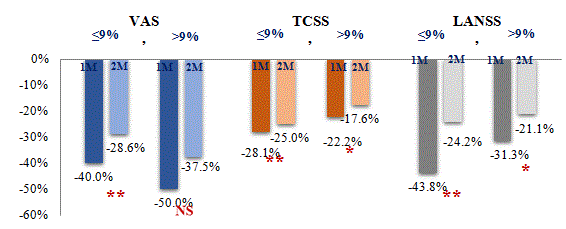
Figure 3: Median Percent change from baseline to end of program between duration of treatment (1 Month and 2 Months) regarding HbA1c (≤ 9%
&> 9%)
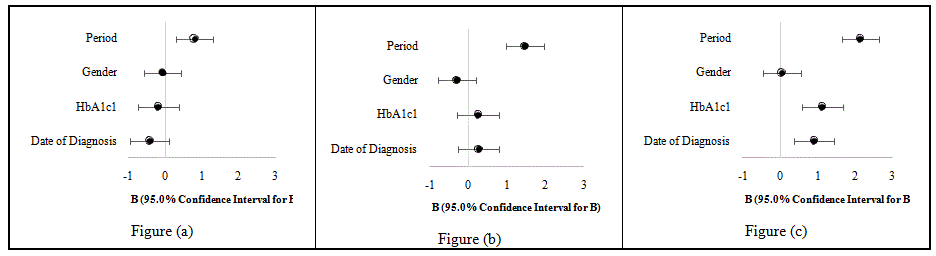
Figure 4: Forest plot for simple linear regression analysis showing:
Figure 4 (a): association between Change of median VAS (V2-V1) and Period of treatment (1 or 2 months), Gender, HbA1c & Date of diagnosis as diabetic
Figure 4 (b): association between change of median TCSS (V2-V1) and Period of treatment (1 or 2 months), Gender, HbA1c & Date of diagnosis as diabetic
Figure 4 (c): association between change of median LANSS (V2-V1) and Period of treatment (1 or 2 months), Gender, HbA1c & Date of diagnosis as
Figure 4 (a): association between Change of median VAS (V2-V1) and Period of treatment (1 or 2 months), Gender, HbA1c & Date of diagnosis as diabetic
Figure 4 (b): association between change of median TCSS (V2-V1) and Period of treatment (1 or 2 months), Gender, HbA1c & Date of diagnosis as diabetic
Figure 4 (c): association between change of median LANSS (V2-V1) and Period of treatment (1 or 2 months), Gender, HbA1c & Date of diagnosis as
intake more than after 2 months, with statistically significant
difference (p-value = 0.025), as per Figure 1.
LANSS improved after 1 month of Cerebrolysin® intake in patients diagnosed with T2DM for less than 10 years more than after 2 months of Cerebrolysin® intake, with highly statistically significant difference (p-value = 0.002), as per Figure 2.
LANSS significantly improved in patients who received Cerebrolysin® for 1 month and having HbA1c ≤ or ˃ 9%, more than patients who received Cerebrolysin® for 2 months, with statistically significant difference (p-value = 0.001 and 024 respectively), as per Figure 3.
LANSS improved in females more than males with use of Cerebrolysin® for 1 and 2 months, with no statistical significance, (p-value = 0.535 and 0.362 respectively).
LANSS improved after 1 month of Cerebrolysin® intake in patients diagnosed as diabetics for less than 10 years more than in patients diagnosed since more than 10 years, with very high statistical significance (p-value = 0.006), while after 2 months of Cerebrolysin® intake, LANSS improved more in patients diagnosed as diabetics for less than 10 years more than in patients diagnosed since more than 10 years, with no statistical significance (p-value = 0.701).
LANSS improved after 1 and 2 months of Cerebrolysin® intake more in patients with HbA1c less than 9% compared to patients with HbA1c more than 9%, with no statistical significance (p-value = 0. 479 & 0.301 respectively).
We used stepwise linear regression to show the association of gender, duration of treatment with Cerebrolysin® (1 or 2 months), duration of diagnosis of diabetes mellitus for less and more than 10 years, and HbA1c ≤ 9% and ˃ 9% with the change of median VAS, TCSS and LANSS as dependent variables. Period of treatment with Cerebrolysin® (1 or 2 months) was inversely proportional to the change of median VAS, TCSS, LANSS, and Regression Coefficients (B (95% of Confidence interval)) with respectively [B= 0.794 (0.29-1.29) **, p-value= 0.002], [B=1.472 (0.87-2.074) ***, p-value < 0.001], [B= 2.143 (0.45-3.83) *, p-value = 0.013], as presented in Table 3 & Figures 4 a, b & c
HbA1c ≤ 9% and ˃ 9% was inversely associated with a change of median LANSS and Regression Coefficient (B (95% of Confidence interval)) with (B= 1.128 (0.724-2.981), with no statistical significance between patients with HbA1c ≤ 9% and ˃ 9%. Date of diagnosis with D.M for less and more than 10 years showed reverse association with change of median LANSS and Regression Coefficient (B (95% of Confidence interval)) with (B= 0.913 (0.885-2.711), with no statistical significance between diabetic patients for less and more than 10 years, as presented in Table 3 & Figure 4
LANSS improved after 1 month of Cerebrolysin® intake in patients diagnosed with T2DM for less than 10 years more than after 2 months of Cerebrolysin® intake, with highly statistically significant difference (p-value = 0.002), as per Figure 2.
LANSS significantly improved in patients who received Cerebrolysin® for 1 month and having HbA1c ≤ or ˃ 9%, more than patients who received Cerebrolysin® for 2 months, with statistically significant difference (p-value = 0.001 and 024 respectively), as per Figure 3.
LANSS improved in females more than males with use of Cerebrolysin® for 1 and 2 months, with no statistical significance, (p-value = 0.535 and 0.362 respectively).
LANSS improved after 1 month of Cerebrolysin® intake in patients diagnosed as diabetics for less than 10 years more than in patients diagnosed since more than 10 years, with very high statistical significance (p-value = 0.006), while after 2 months of Cerebrolysin® intake, LANSS improved more in patients diagnosed as diabetics for less than 10 years more than in patients diagnosed since more than 10 years, with no statistical significance (p-value = 0.701).
LANSS improved after 1 and 2 months of Cerebrolysin® intake more in patients with HbA1c less than 9% compared to patients with HbA1c more than 9%, with no statistical significance (p-value = 0. 479 & 0.301 respectively).
We used stepwise linear regression to show the association of gender, duration of treatment with Cerebrolysin® (1 or 2 months), duration of diagnosis of diabetes mellitus for less and more than 10 years, and HbA1c ≤ 9% and ˃ 9% with the change of median VAS, TCSS and LANSS as dependent variables. Period of treatment with Cerebrolysin® (1 or 2 months) was inversely proportional to the change of median VAS, TCSS, LANSS, and Regression Coefficients (B (95% of Confidence interval)) with respectively [B= 0.794 (0.29-1.29) **, p-value= 0.002], [B=1.472 (0.87-2.074) ***, p-value < 0.001], [B= 2.143 (0.45-3.83) *, p-value = 0.013], as presented in Table 3 & Figures 4 a, b & c
HbA1c ≤ 9% and ˃ 9% was inversely associated with a change of median LANSS and Regression Coefficient (B (95% of Confidence interval)) with (B= 1.128 (0.724-2.981), with no statistical significance between patients with HbA1c ≤ 9% and ˃ 9%. Date of diagnosis with D.M for less and more than 10 years showed reverse association with change of median LANSS and Regression Coefficient (B (95% of Confidence interval)) with (B= 0.913 (0.885-2.711), with no statistical significance between diabetic patients for less and more than 10 years, as presented in Table 3 & Figure 4
DiscussionTop
The major biochemical pathways that resulted in the pathogenesis
of hyperglycemia-induced vascular damage are the hexosamine
pathway of glucose metabolism, the formation of advanced
glycation end products (AGEs), and the diacylglycerol (DAG)–
protein kinase C (PKC) pathway with the common feature of over
production of superoxide by the mitochondrial electron transport
chain. Vitamin B complex can block these three pathways of
hyperglycemic damage, so it is widely used in diabetic patients
with peripheral neuropathy. [12,13]
Also, there are other specific medications, such as tricyclic antidepressant and anti-convulsant drugs, used in managing diabetic peripheral neuropathy besides diabetes control.
According to previous studies, investigators thought to conduct this program in order to see the effect of Cerebrolysin® in the treatment of diabetic peripheral neuropathy along short term (1 month) compared to longer term (2 months).
Also, there are other specific medications, such as tricyclic antidepressant and anti-convulsant drugs, used in managing diabetic peripheral neuropathy besides diabetes control.
According to previous studies, investigators thought to conduct this program in order to see the effect of Cerebrolysin® in the treatment of diabetic peripheral neuropathy along short term (1 month) compared to longer term (2 months).
Table 3: Liner Regression for VAS, TCSS and LANSS in gender, period of treatment, duration of diabetes and HbA1c

136 patients were enrolled into the program according to the
eligibility criteria of the protocol. They all completed their
treatment with Cerebrolysin®.
In this program, females were more than males because T2DM is more common in females than in males [5]
Investigators assessed the change from baseline to end of program in VAS, TCSS, and LANSS, to evaluate the effect of Cerebrolysin® in different durations of treatment on type 2 diabetic patients with peripheral neuropathy.
G. Biesenbach et al. study showed a significant reduction in VAS by 34% (p ˂ 0.001) after 6 weeks (end of study) from baseline in 25 patients diagnosed with diabetic peripheral neuropathy for 15 ± 8 years, who were treated with Cerebrolysin® for 10 days compared to patients who received a placebo in whom VAS was reduced by only 12%, with no statistical significance between baseline and end of the study. [10] In our program, there was a significant reduction in VAS by 50% after 1 month of Cerebrolysin® therapy and 38% after 2 months in diabetic patients with peripheral neuropathy for more or less than 10 years.
VASS, TCSS, and LANSS were significantly reduced from baseline to end of the program in both treatment groups regarding different parameters including gender, duration since diagnosis of T2DM (less or more than 10 years) and HbA1c ≤ 9% or ˃ 9%, with a very highly statistically significant difference (p-value ˂ 0.001).
In G. Biesenbach et al. study [10], VAS score improved from 4.7 ± 1.1 at baseline to 3.1 ± 1.2 at the end of the study in patients who received Cerebrolysin® while improved from 4.5 ± 0.6 to 4.0 ± 0.5 in the placebo group. [10] In this program, the mean VAS score diminished from 5.9 ± 1.5 at baseline to 3.2 ± 1.8 at the end of the program in the group received Cerebrolysin® for 1 month while, diminished from 6.9 ± 1.6 to 4.9 ± 2.0 in the group who received Cerebrolysin® for 2 months, with a very highly statistically significant difference between baseline and end of treatment in both groups (p-value ˂ 0.001).
Median VAS, TCSS and LANSS were significantly improved from baseline to end of the program in patients who completed their treatment after 1 month (had their follow-up within 30-57 days) more than those who completed their treatment after 2 months (had their follow-up within 56-126 days), regarding gender (male, female), duration since diagnosis with T2DM (≤ or ˃ 10 years) and HbA1c (≤ or ˃ 9 %).
At baseline, 43.9% of patients received Cerebrolysin® for 1 month had numbness & 40.4% had tingling compared to only 20.3% of patients who received Cerebrolysin® for 2 months suffered from numbness and tingling. This might be contributing factor in the improvement of VAS, TCSS and LANSS in the group received Cerebrolysin® for 1 month more than those received it for 2 months. In addition to a reduced dose of Cerebrolysin® in the second month. This is similar to what happened in M. Hesham El Hefnawy et al study for B-complex intake in diabetic patients with peripheral neuropathy [15].
Our program indicates the prolonged action of Cerebrolysin®, as shown in other studies with other diseases such as Alzheimer’s disease, in which the Cerebrolysin® effect lasted for several months after treatment stoppage; therefore, it has a beneficial effect on reducing symptoms; besides, it plays a role in delaying the progression of a disease. [16] Also, the CAPTAIN trial proved the prolonged effect of Cerebrolysin® up to 90 days in patients who received 50 ml of Cerebrolysin® per day for 10 days, followed by two additional treatment cycles with 10 ml per day for 10 days, which confirmed its efficacy in enhancing neuro recovery, neurogenesis, and neuroplasticity. [17]
There were no adverse or serious adverse events reported during the program.
In summary, short-term treatment with Cerebrolysin® was more effective in improvement of VAS, TCSS and LANSS performances as compared to long-term treatment. Improvement was independent of the duration of diabetes and the level of HbA1c.
In this program, females were more than males because T2DM is more common in females than in males [5]
Investigators assessed the change from baseline to end of program in VAS, TCSS, and LANSS, to evaluate the effect of Cerebrolysin® in different durations of treatment on type 2 diabetic patients with peripheral neuropathy.
G. Biesenbach et al. study showed a significant reduction in VAS by 34% (p ˂ 0.001) after 6 weeks (end of study) from baseline in 25 patients diagnosed with diabetic peripheral neuropathy for 15 ± 8 years, who were treated with Cerebrolysin® for 10 days compared to patients who received a placebo in whom VAS was reduced by only 12%, with no statistical significance between baseline and end of the study. [10] In our program, there was a significant reduction in VAS by 50% after 1 month of Cerebrolysin® therapy and 38% after 2 months in diabetic patients with peripheral neuropathy for more or less than 10 years.
VASS, TCSS, and LANSS were significantly reduced from baseline to end of the program in both treatment groups regarding different parameters including gender, duration since diagnosis of T2DM (less or more than 10 years) and HbA1c ≤ 9% or ˃ 9%, with a very highly statistically significant difference (p-value ˂ 0.001).
In G. Biesenbach et al. study [10], VAS score improved from 4.7 ± 1.1 at baseline to 3.1 ± 1.2 at the end of the study in patients who received Cerebrolysin® while improved from 4.5 ± 0.6 to 4.0 ± 0.5 in the placebo group. [10] In this program, the mean VAS score diminished from 5.9 ± 1.5 at baseline to 3.2 ± 1.8 at the end of the program in the group received Cerebrolysin® for 1 month while, diminished from 6.9 ± 1.6 to 4.9 ± 2.0 in the group who received Cerebrolysin® for 2 months, with a very highly statistically significant difference between baseline and end of treatment in both groups (p-value ˂ 0.001).
Median VAS, TCSS and LANSS were significantly improved from baseline to end of the program in patients who completed their treatment after 1 month (had their follow-up within 30-57 days) more than those who completed their treatment after 2 months (had their follow-up within 56-126 days), regarding gender (male, female), duration since diagnosis with T2DM (≤ or ˃ 10 years) and HbA1c (≤ or ˃ 9 %).
At baseline, 43.9% of patients received Cerebrolysin® for 1 month had numbness & 40.4% had tingling compared to only 20.3% of patients who received Cerebrolysin® for 2 months suffered from numbness and tingling. This might be contributing factor in the improvement of VAS, TCSS and LANSS in the group received Cerebrolysin® for 1 month more than those received it for 2 months. In addition to a reduced dose of Cerebrolysin® in the second month. This is similar to what happened in M. Hesham El Hefnawy et al study for B-complex intake in diabetic patients with peripheral neuropathy [15].
Our program indicates the prolonged action of Cerebrolysin®, as shown in other studies with other diseases such as Alzheimer’s disease, in which the Cerebrolysin® effect lasted for several months after treatment stoppage; therefore, it has a beneficial effect on reducing symptoms; besides, it plays a role in delaying the progression of a disease. [16] Also, the CAPTAIN trial proved the prolonged effect of Cerebrolysin® up to 90 days in patients who received 50 ml of Cerebrolysin® per day for 10 days, followed by two additional treatment cycles with 10 ml per day for 10 days, which confirmed its efficacy in enhancing neuro recovery, neurogenesis, and neuroplasticity. [17]
There were no adverse or serious adverse events reported during the program.
In summary, short-term treatment with Cerebrolysin® was more effective in improvement of VAS, TCSS and LANSS performances as compared to long-term treatment. Improvement was independent of the duration of diabetes and the level of HbA1c.
ConclusionsTop
Cerebrolysin® is considered effective in decreasing symptoms
of diabetic peripheral neuropathy, as assessed by VAS, TCSS,
and LANSS, in males and females, controlled and uncontrolled
diabetic patients, and in short- and long-term treatment.
LimitationsTop
It is a short-duration program, not comparable to well-known
treatments for Diabetic Peripheral Neuropathy and there were
different time points for follow up assessment between patients.
RecommendationsTop
The program showed positive results for Cerebrolysin®
injection in the management of peripheral neuropathy in
diabetic patients, and a question has been raised regarding the
Cerebrolysin® effect after stopping treatment intake. Therefore,
it is recommended to conduct a phase 2 study with a periodical
intake of Cerebrolysin® throughout a certain period with a longterm
follow-up for 6 months in patients with T2DM, to have better
judgment for prolonged efficacy of Cerebrolysin® in reducing
peripheral neuropathy symptoms after the end of treatment, as it
may be more beneficial than continuous use of Cerebrolysin® for
a period more than 30 days.
AcknowledgmentsTop
EVER Pharma for funding data management of results.
Nagy Research (CRO) who performed Data management and
biostatistics.
ReferencesTop
- Amara, F., Hafez, S., Orabi, A., El Etriby, A., Abdel Rahim, A., Zakaria, E., Koura, F.,Talaat,F.,Gawish,H.,Attia,I.,AbdelAziz,M.,ElHefnawy,M.,Kamar,M.,Halawa,M.,El-Sayed, M., El Kafrawy, N., Khalil, S. and Assaad, S., 2019. Review of DiabeticPolyneuropathy:Pathogenesis,DiagnosisandManagementAccordingtotheConsensusofEgyptianExperts. Current Diabetes Reviews, 15(4),pp.340-345doi: 10.2174/1573399815666190226150402.
- PapanasN,ZieglerD.RiskFactorsandComorbiditiesinDiabeticNeuropathy:AnUpdate2015.TheReviewofDiabeticStudies 2015; 12 (1-2): 48-62doi : 10.1900/RDS.2015.12.48.
- Abbott C, Malik R, van Ross E, Kulkarni J, Boulton A. Prevalence and Characteristics ofPainfulDiabeticNeuropathyinaLargeCommunity-BasedDiabeticPopulationintheU.K.DiabetesCare2011; 34(10): 2220-2224doi : 10.2337/dc11-1108.
- DongHY,JiangXM,NiuCB,DuL,FengJY,JiaFY.Cerebrolysinimprovessciaticnervedysfunction in a mouse model of diabetic peripheral neuropathy. Neural Regen Res. 2016Jan;11(1):156-62.doi:10.4103/1673-5374.175063.PMID:26981106;PMCID:PMC4774211.
- Assaad-Khalil S, Zaki A, Rehim A et al. Prevalence of diabetic foot disorders and relatedrisk factors among Egyptian subjects with diabetes. Prim Care Diabetes 2015; 9(4): 297-303doi : 10.1016/j.pcd.2014.10.010.
- Katarzyna BK, Maria Ł, Piotr G. Cerebrolysin – mechanism of action and application inpsychiatryandNeurology. Farmakoterapiaw PsychiatriiiNeurologii2019, 35(1), 9–23
- Hamed, Sherifa Ahmad. Cerebrolysin as a nerve growth factor for treatment of acquiredperipheralnervoussystemdiseases☆.NeuralRegenerationResearch:June2011-Volume6-Issue 18-p 1415-1420
- Mureșanu DF, Livinț Popa L, Chira D, Dăbală V, Hapca E, Vlad I, Văcăraș V, PopescuBO, Cherecheș R, Strilciuc Ș, Brainin M. Role and Impact of Cerebrolysin for IschemicStroke Care. J Clin Med. 2022 Feb 25;11(5):1273. doi: 10.3390/jcm11051273. PMID:35268364;PMCID: PMC8911124.
- Ghaffarpasand F, Torabi S, Rasti A, Niakan MH, Aghabaklou S, Pakzad F, BeheshtianMS, Tabrizi R. Effects of Cerebrolysin on functional outcome of patients with traumaticbrain injury: a systematic review and meta-analysis. Neuropsychiatr Dis Treat. 2018 Dec27;15:127-135. doi:10.2147/NDT.S186865. PMID: 30643411;PMCID: PMC6311329.
- Biesenbach G, Grafinger P, Eichbauer-Sturm G, Zazgornik J. Cerebrolysin in der Behandlung der schmerzhaftendiabetischenNeuropathie [Cerebrolysin in treatment of painful diabetic neuropathy]. Wien Med Wochenschr. 1997;147(3):63-6. German. PMID: 9173675
- Attia2019Assessment OT, Assessment of the role of Cerebrolysin in treatment of idiopathic facial nerve paralysis, Tamer M. Attia, Menoufia Medical Journal,2019,32,{712- 716}doi : 10.4103/mmj.mmj_849_17.
- Stracke H, Gaus W, Achenbach U, Federlin K, Bretzel RG. Benfotiamine in diabetic polyneuropathy (BENDIP): results of a randomised, double blind, placebo-controlled clinical study. Exp Clin Endocrinol Diabetes. 2008 Nov;116(10):600-5. doi: 10.1055/s- 2008-1065351. Epub 2008 May 13. PMID: 18473286.
- Hammes HP, Du X, Edelstein D, Taguchi T, Matsumura T, Ju Q, Lin J, Bierhaus A, Nawroth P, Hannak D, Neumaier M, BergfeldR, Giardino I, Brownlee M. Benfotiamine blocks three major pathways of hyperglycemic damage and prevents experimental diabetic retinopathy. Nat Med. 2003 Mar;9(3):294-9. doi: 10.1038/nm834. Epub 2003 Feb 18. PMID: 12592403.
- AyferBayindir Cevik and Nermin Olgun.The Predictors of Painful Diabetic Neuropathy and Its Effect on Quality of Life (2022) science direct,15 June 2022.doi.org/10.1016/j.pmn.2021.04.002
- M. Hesham El Hefnawy, H. Ramadan, D. Rabie, A. Effat. (2022) Oral Benfotiamine 300 mg Versus Intramuscular Thiamine in Page 2 of 9 Diabetic Patients with Peripheral Neuropathy. J Endocrinol Diab. 9(1): 1-8. doi: 10.15226/2374-6890/9/1/001156
- Allegri RF, Guekht A. Cerebrolysin improves symptoms and delays progression in patients with Alzheimer's disease and vascular dementia. Drugs Today (Barc). 2012 Apr;48 Suppl A:25-41. doi: 10.1358/dot.2012.48(Suppl.A).1739721. PMID: 22514793.
- Muresanu DF, Florian S, Hömberg V, Matula C, von Steinbüchel N, Vos PE, von Wild K, Birle C, Muresanu I, Slavoaca D, Rosu OV, Strilciuc S, Vester J. Efficacy and safety of cerebrolysin in neurorecovery after moderate-severe traumatic brain injury: results from the CAPTAIN II trial. Neurol Sci. 2020 May;41(5):1171-1181. doi: 10.1007/s10072-019- 04181-y. Epub 2020 Jan 2. PMID: 31897941.

