


Research Article
Open Access
Universal Screening of Gestational Diabetes Mellitus In
Upper Egypt: Prospective Cohort Study of The Prevalence,
Risk Factors, and Short-Term Outcomes
Lobna F. Eltoony1, Walaa A Khalifa1, Hani M. Mobarkout1, Nagla M. Ahmad1, Khaled E Elhadidy2, Mohammad A.
Mashahet3, Ehab Salem4, Ahmed M. Abbas5, Omar M Shaaban5, Hend M. Yousef6,
Usama A Sharaf El Din7*
1Endocrinology and diabetes unit, internal medicine department, Faculty of Medicine, Assiut University
2Endocrinology and diabetes unit, internal medicine department, Faculty of Medicine, Beni suif University
3Endocrinology and diabetes unit, internal medicine department, Faculty of Medicine, Elfayoum University
4Endocrinology and diabetes unit, internal medicine department, Faculty of Medicine, Zagazig University
5Gynaecology and Obstetrics department, Faculty of Medicine, Assiut university
6Clinical Pharmacy Department, Faculty of Medicine, Assiut university
*7Internal Medicine Department, Faculty of Medicine, Cairo University
2Endocrinology and diabetes unit, internal medicine department, Faculty of Medicine, Beni suif University
3Endocrinology and diabetes unit, internal medicine department, Faculty of Medicine, Elfayoum University
4Endocrinology and diabetes unit, internal medicine department, Faculty of Medicine, Zagazig University
5Gynaecology and Obstetrics department, Faculty of Medicine, Assiut university
6Clinical Pharmacy Department, Faculty of Medicine, Assiut university
*7Internal Medicine Department, Faculty of Medicine, Cairo University
*Corresponding author: Professor Usama AA Sharaf El Din, 58th Abbas El Akkad St., Nasr City, Cairo, Egypt. Post Code: 11759, Telephone: +201111333800,
Fax: +20222753890; E-mail:@
Received: April 24th, 2023; Accepted: April 26th, 2023; Published: September 02nd, 2023
Citation: Lobna F. Eltoony, Walaa A Khalifa, Hani M. Mobarkout, Usama A Sharaf El Din et al. (2023) Universal Screening of Gestational
Diabetes Mellitus In Upper Egypt: Prospective Cohort Study of The Prevalence, Risk Factors, and Short-Term Outcomes. J Endocrinol
Diab. 10(1): 1-8 DOI: 10.15226/2374-6890/10/1/001161
AbstractTop
Background: Despite the high prevalence of diabetes mellitus in Egypt, the real prevalence and epidemiology of gestational diabetes mellitus (GDM)
in Upper Egypt is still lacking.
Objective: This study aims to determine the prevalence and risk factors of GDM among pregnant women in Upper Egypt and to evaluate the foetal and maternal outcomes of this disease.
Methods: This prospective cohort study was conducted between July 2014 and July 2018. Universal screening for GDM among all pregnant women attending primary health care clinics was done using Diabetes in Pregnancy Study Group of India (DIPSI) criteria. Those with GDM were followed up until the end of purpureum. Maternal and foetal outcomes were recorded.
Results: GDM was diagnosed in 956 out of 7141 pregnant women (13.4%). Previous history of GDM, macrosomic babies, and family history of diabetes were all significantly higher in GDM women (P<0.001 each). However, no definite risk factors were observed in about half of the GDM women. 29% of GDM women responded to medical nutrition therapy (MNT) alone. When the oral glucose tolerance test (OGTT) was repeated Postpartum, diagnosis of DM was established in 14.3% of the cohort, while 25.7% had impaired glucose tolerance.
Conclusions: The prevalence of GDM is relatively high in Upper Egypt. Half of GDM cases lack risk factors. Universal screening using OGTT should be routinely performed to all attendant pregnant ladies. Discrete MNT is not an enough management in most of GDM cases.
Keywords: GDM; Postpartum OGTT; diabetes; MNT; foetal outcome; maternal outcome.
Objective: This study aims to determine the prevalence and risk factors of GDM among pregnant women in Upper Egypt and to evaluate the foetal and maternal outcomes of this disease.
Methods: This prospective cohort study was conducted between July 2014 and July 2018. Universal screening for GDM among all pregnant women attending primary health care clinics was done using Diabetes in Pregnancy Study Group of India (DIPSI) criteria. Those with GDM were followed up until the end of purpureum. Maternal and foetal outcomes were recorded.
Results: GDM was diagnosed in 956 out of 7141 pregnant women (13.4%). Previous history of GDM, macrosomic babies, and family history of diabetes were all significantly higher in GDM women (P<0.001 each). However, no definite risk factors were observed in about half of the GDM women. 29% of GDM women responded to medical nutrition therapy (MNT) alone. When the oral glucose tolerance test (OGTT) was repeated Postpartum, diagnosis of DM was established in 14.3% of the cohort, while 25.7% had impaired glucose tolerance.
Conclusions: The prevalence of GDM is relatively high in Upper Egypt. Half of GDM cases lack risk factors. Universal screening using OGTT should be routinely performed to all attendant pregnant ladies. Discrete MNT is not an enough management in most of GDM cases.
Keywords: GDM; Postpartum OGTT; diabetes; MNT; foetal outcome; maternal outcome.
HighlightsTop
• This study is the first multi-center survey carried out in the Upper Egypt region.
• The study disclosed a high prevalence of GDM (13.4%) dictating the necessity of the universal screening and early detection of GDM using OGTT.
• This screening test should be applied to all pregnant women even those lacking any of the risk factor known.
• The rising trend of GDM among the Egyptian pregnant women should be checked by increased awareness of the community and encouragement of married women to maintain average weight.
• Further large-scale studies are needed to have a clear perception of the prevalence of GDM in Egypt.
• The study disclosed a high prevalence of GDM (13.4%) dictating the necessity of the universal screening and early detection of GDM using OGTT.
• This screening test should be applied to all pregnant women even those lacking any of the risk factor known.
• The rising trend of GDM among the Egyptian pregnant women should be checked by increased awareness of the community and encouragement of married women to maintain average weight.
• Further large-scale studies are needed to have a clear perception of the prevalence of GDM in Egypt.
IntroductionTop
GDM is defined as any degree of dysglycemia occurring or first
recognized during pregnancy [1]. GDM is one of the leading causes
of morbidity and mortality for both the mother and the infant
worldwide [2]. According to the 9th atlas of the International
Diabetes Federation (IDF), Egypt is one of the top ten countries
as regards diabetes prevalence worldwide [3]. As a Consequence,
the rate of GDM diagnosis is steadily rising [4]. Despite the
medical and scientific progress in the field of diabetes, data about
basic knowledge of GDM and its prevention still lack, especially
in Egypt [5].
The prevalence of GDM is enhanced by many habits in the community. Urbanization and overconsumption of junk food, even among the low socioeconomic population, often lead to obesity. Unfortunately, overweight is erroneously considered a sign of beauty and good health among Egyptian ladies. Furthermore, the huge work burden posed on low socioeconomic Egyptian women either indoor or outdoor hinders them from suitably prioritizing their health.
GDM documented prevalence varies substantially worldwide, ranging from 1% to >14% [6]. Complexity and controversy have shadowed the diagnosis of GDM among health care providers owing to the lack of consensus and uniformity in the screening standards and diagnostic criteria of GDM [7]. Furthermore, it is challenging to compare the prevalence across countries and regions. The diagnosis of GDM offers a unique opportunity to identify individuals who are susceptible to develop type 2 diabetes mellitus (T2DM). These cases will get the benefit of early lifestyle modification and therapeutic intervention that would delay or even prevent the onset T2DM.
So far, the actual prevalence rate of GDM in Egypt is unknown. The universal screening for GDM was selected in the current study thanks to its high sensitivity. We chose the Diabetes in Pregnancy Study Group of India (DIPSI) criteria for diagnosis of GDM thanks to its simplicity; only one sample of blood is taken, besides the non-necessity for fasting [8-10].
Treatment of GDM aims at minimizing the risk of perinatal outcomes such as macrosomia, birth trauma, neonatal metabolic abnormalities, and the need for caesarean section [2,11]. Lifestyle modification is the first-line treatment and includes medical nutrition therapy (MNT), exercise, and glucose monitoring.
Pharmacological treatment generally consists of insulin, glyburide, or metformin [4,11-13]. Insulin is the preferred pharmacological treatment for the management of GDM if lifestyle modification is insufficient in achieving euglycemia [11-13]. The present study aims to determine the prevalence and risk factors of GDM among pregnant women in Upper Egypt governorates and to evaluate both maternal and foetal outcomes.
The prevalence of GDM is enhanced by many habits in the community. Urbanization and overconsumption of junk food, even among the low socioeconomic population, often lead to obesity. Unfortunately, overweight is erroneously considered a sign of beauty and good health among Egyptian ladies. Furthermore, the huge work burden posed on low socioeconomic Egyptian women either indoor or outdoor hinders them from suitably prioritizing their health.
GDM documented prevalence varies substantially worldwide, ranging from 1% to >14% [6]. Complexity and controversy have shadowed the diagnosis of GDM among health care providers owing to the lack of consensus and uniformity in the screening standards and diagnostic criteria of GDM [7]. Furthermore, it is challenging to compare the prevalence across countries and regions. The diagnosis of GDM offers a unique opportunity to identify individuals who are susceptible to develop type 2 diabetes mellitus (T2DM). These cases will get the benefit of early lifestyle modification and therapeutic intervention that would delay or even prevent the onset T2DM.
So far, the actual prevalence rate of GDM in Egypt is unknown. The universal screening for GDM was selected in the current study thanks to its high sensitivity. We chose the Diabetes in Pregnancy Study Group of India (DIPSI) criteria for diagnosis of GDM thanks to its simplicity; only one sample of blood is taken, besides the non-necessity for fasting [8-10].
Treatment of GDM aims at minimizing the risk of perinatal outcomes such as macrosomia, birth trauma, neonatal metabolic abnormalities, and the need for caesarean section [2,11]. Lifestyle modification is the first-line treatment and includes medical nutrition therapy (MNT), exercise, and glucose monitoring.
Pharmacological treatment generally consists of insulin, glyburide, or metformin [4,11-13]. Insulin is the preferred pharmacological treatment for the management of GDM if lifestyle modification is insufficient in achieving euglycemia [11-13]. The present study aims to determine the prevalence and risk factors of GDM among pregnant women in Upper Egypt governorates and to evaluate both maternal and foetal outcomes.
MethodsTop
This prospective cohort intervention study was conducted in
collaboration with the World Diabetes Foundation project (WDF
13–797) titled” Gestational Diabetes Care in Upper Egypt”. The
study had been conducted during the period staring by July 2014
through July 2018 including six milestones (6 months each),
while the last year was for the post-partum maternal and foetal
follow up. The study was conducted in all GDM centres in Upper
Egypt.Multiple awareness campaigns for pregnant and nonpregnant
women in their childbearing periods were additionally
conducted throughout the period of this project.
We included all pregnant women attending primary health
care clinics in Upper Egypt governorates at their 24-28 weeks of
gestation. All Pregnant women with history of DM were excluded.
Intervention
Eligible participants signed a written consent after adequate counselling and reading the patient information sheet. Participants were given 75 g of glucose anhydrous dissolved in 200 ml of water. All participants were not fasting before the test. Blood samples for glucose estimation were collected after two hours using DIPSI criteria. Blood sugar level ≥ 140 mg/dl was diagnostic for GDM. Blood sugar values ≥ 200 mg/dl indicated the pre-existence of diabetes [4] and therefore were excluded from the study.
Medical nutrition therapy was advised to all GDM cases. If the blood glucose level didn’t reach the target (FBG <92mg/dl, one hour <140mg/dl, and two hours <120mg/dl) after two weeks, insulin was added. Metformin was the alternative in cases incapable to afford or refusing insulin.
Follow up
Women with GDM were followed by regular visits every two weeks until delivery and monthly for one year afterwards. The modes of delivery as well as any obstetric or medical complications were reported. At each visit, complete physical assessment, including weight and blood pressure monitoring was done. Check for the self-monitored blood glucose levels were also accomplished. Foetal assessment, including foetal movement, was assessed by an obstetrician and then by paediatrician post-partum.
Six to twenty-four weeks after delivery, OGTT was repeated for GDM women to detect cases that had frank T2DM.
Statistical analysis Data were collected and analyzed using SPSS (Statistical Package for the Social Science, version 20, IBM, and Armonk, New York). Continuous data were expressed in the form of mean ± standard deviation, while nominal data were represented in frequency (percentage). Student’s t-test and Chi-square test were used to check the significance. Multivariate regression analysis was performed to evaluate the risk factors for GDM development. P-value was considered statistically significant if <0.05.
Ethical considerations
The Assiut Faculty of Medicine Ethical Review Board had approved the study protocol and guaranteed that confidentiality would be maintained and ethical principles would be followed all through the study. Patients who met the eligibility criteria were informed, and their written consent was obtained before the start of the study.
Intervention
Eligible participants signed a written consent after adequate counselling and reading the patient information sheet. Participants were given 75 g of glucose anhydrous dissolved in 200 ml of water. All participants were not fasting before the test. Blood samples for glucose estimation were collected after two hours using DIPSI criteria. Blood sugar level ≥ 140 mg/dl was diagnostic for GDM. Blood sugar values ≥ 200 mg/dl indicated the pre-existence of diabetes [4] and therefore were excluded from the study.
Medical nutrition therapy was advised to all GDM cases. If the blood glucose level didn’t reach the target (FBG <92mg/dl, one hour <140mg/dl, and two hours <120mg/dl) after two weeks, insulin was added. Metformin was the alternative in cases incapable to afford or refusing insulin.
Follow up
Women with GDM were followed by regular visits every two weeks until delivery and monthly for one year afterwards. The modes of delivery as well as any obstetric or medical complications were reported. At each visit, complete physical assessment, including weight and blood pressure monitoring was done. Check for the self-monitored blood glucose levels were also accomplished. Foetal assessment, including foetal movement, was assessed by an obstetrician and then by paediatrician post-partum.
Six to twenty-four weeks after delivery, OGTT was repeated for GDM women to detect cases that had frank T2DM.
Statistical analysis Data were collected and analyzed using SPSS (Statistical Package for the Social Science, version 20, IBM, and Armonk, New York). Continuous data were expressed in the form of mean ± standard deviation, while nominal data were represented in frequency (percentage). Student’s t-test and Chi-square test were used to check the significance. Multivariate regression analysis was performed to evaluate the risk factors for GDM development. P-value was considered statistically significant if <0.05.
Ethical considerations
The Assiut Faculty of Medicine Ethical Review Board had approved the study protocol and guaranteed that confidentiality would be maintained and ethical principles would be followed all through the study. Patients who met the eligibility criteria were informed, and their written consent was obtained before the start of the study.
ResultsTop
Results are summarized in tables 1-2 and figures 1-3. The study included 7141 pregnant women attending five GDM centres in the
five major Upper Egypt cities. 956 out of the 7141 studied women were discovered to have GDM (prevalence rate = 13.4% according
to DIPSI criteria).
719 (75.2%) of the GDM cases versus 3772 (61%) of the remaining cases were older than 25 years (p<0001). 68% of the GDM were from urban areas, and 64.4% were not working. In addition, 40.2% of the GDM women were multiparous (have 3 or more conceptions) in comparison to 27.2% of those without GDM (P<0.001). Furthermore, most of the studied cohort had either increased body weight or were obese (42.8% and 44.6%, respectively), while normal pre-conception body mass index (BMI) was observed in only 12.7% of cases. BMI was significantly higher in GDM women (30.91 ± 5.95 vs. 29.40 ± 5.54 Kg/m2, p<0.001) (Figure 1).
39.7% of GDM cases have a positive family history of diabetes, and 10.5% have a previous history of a macrocosmic baby. Polycystic ovary syndrome (PCOS) and twin pregnancy were significantly higher in GDM cases (9% vs. 6%, p<0.001 and 6.5% vs. 3.5% respectively, p<0.001in both). On the other hand, no definite risk factors were demonstrated in about half of the GDM women (49.4%). Both systolic (SBP) and diastolic blood pressure (DBP) were significantly higher in GDM women; (118.09 ± 12.55 vs. 115.39 ± 11.55, and 74.97 ± 9.40 vs. 72.98 ± 8.71 for SBP and DBP respectively, p<0.001 in both).
29% of GDM women were controlled with MNT only, while 31% of them needed the addition of metformin to MNT, and 40% were controlled after the addition of insulin to MNT (Figure 2).
As regards the maternal outcome of GDM cases, 39.3% developed preeclampsia, 81.5% delivered by cesarean section (CS), and 17 % had preterm labour. As regards the foetal outcome of GDM babies, 74.3% had persistent physiologic jaundice, 52.1% needed neonatal intensive care unit (NICU) admission, 20.9% developed hypoglycaemia, 14.3% were macrosomic, 3.6% had congenital cardiac problems, and 7.1% died (Table 1).
After delivery, only 560 out of 956 (58.6%) continued regular follow up. Oral glucose tolerance test (OGTT) performed four to twentyfour weeks postpartum disclosed normal test in 60%, impaired glucose tolerance in 25.7%, and frank T2DM in 14.3% (Fig. 3)
719 (75.2%) of the GDM cases versus 3772 (61%) of the remaining cases were older than 25 years (p<0001). 68% of the GDM were from urban areas, and 64.4% were not working. In addition, 40.2% of the GDM women were multiparous (have 3 or more conceptions) in comparison to 27.2% of those without GDM (P<0.001). Furthermore, most of the studied cohort had either increased body weight or were obese (42.8% and 44.6%, respectively), while normal pre-conception body mass index (BMI) was observed in only 12.7% of cases. BMI was significantly higher in GDM women (30.91 ± 5.95 vs. 29.40 ± 5.54 Kg/m2, p<0.001) (Figure 1).
39.7% of GDM cases have a positive family history of diabetes, and 10.5% have a previous history of a macrocosmic baby. Polycystic ovary syndrome (PCOS) and twin pregnancy were significantly higher in GDM cases (9% vs. 6%, p<0.001 and 6.5% vs. 3.5% respectively, p<0.001in both). On the other hand, no definite risk factors were demonstrated in about half of the GDM women (49.4%). Both systolic (SBP) and diastolic blood pressure (DBP) were significantly higher in GDM women; (118.09 ± 12.55 vs. 115.39 ± 11.55, and 74.97 ± 9.40 vs. 72.98 ± 8.71 for SBP and DBP respectively, p<0.001 in both).
29% of GDM women were controlled with MNT only, while 31% of them needed the addition of metformin to MNT, and 40% were controlled after the addition of insulin to MNT (Figure 2).
As regards the maternal outcome of GDM cases, 39.3% developed preeclampsia, 81.5% delivered by cesarean section (CS), and 17 % had preterm labour. As regards the foetal outcome of GDM babies, 74.3% had persistent physiologic jaundice, 52.1% needed neonatal intensive care unit (NICU) admission, 20.9% developed hypoglycaemia, 14.3% were macrosomic, 3.6% had congenital cardiac problems, and 7.1% died (Table 1).
After delivery, only 560 out of 956 (58.6%) continued regular follow up. Oral glucose tolerance test (OGTT) performed four to twentyfour weeks postpartum disclosed normal test in 60%, impaired glucose tolerance in 25.7%, and frank T2DM in 14.3% (Fig. 3)
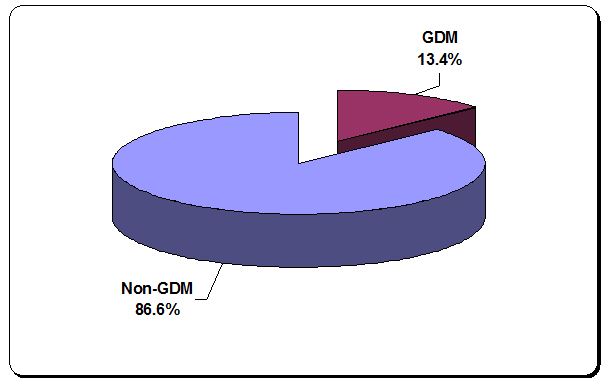
Figure 1: Incidence rate of GDM according to DIPSI criteria; GDM= gestational diabetes mellitus
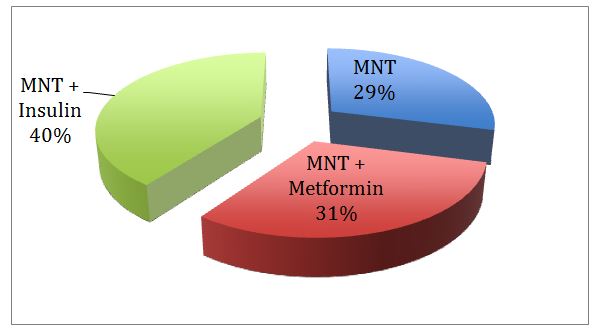
Figure 2: Response to treatment among gestational diabetes cases.
MNT= medical nutrition treatment
MNT= medical nutrition treatment
Table 1: Multivariate analysis for GDM risk factors
Parameter |
P value |
Odd ratio |
95% confidence interval |
|
Lower |
Upper |
|||
Age: (years) |
|
|
|
|
25 - < 30 years |
0.011* |
1.292 |
1.062 |
1.573 |
≥ 30 years |
0.000* |
1.604 |
1.293 |
1.989 |
Parity: |
0.033 |
|
|
|
Para 1 – 3 |
0.400 |
1.310 |
0.698 |
2.460 |
Para > 3 |
0.138 |
1.635 |
0.854 |
3.127 |
Working |
0.000* |
1.624 |
1.401 |
1.884 |
Age at marriage (≥ 20 years) |
0.002* |
1.295 |
1.104 |
1.519 |
History of GDM |
0.000* |
2.558 |
1.828 |
3.580 |
History of Macrosomic baby |
0.000* |
1.604 |
1.238 |
2.078 |
Polycystic ovary |
0.148 |
1.210 |
0.934 |
1.567 |
Twin pregnancy |
0.007* |
1.524 |
1.125 |
2.065 |
Family history of diabetes |
0.000* |
1.576 |
1.360 |
1.827 |
GDM=gestational diabetes mellitus
Table (2) shows the results of multivariate regression analysis for the risk factors of GDM. Women’s age <30 years, working women,
age at marriage ≥ 20 years, previous history of GDM, previous macrosomic baby, twin pregnancy, and family history of diabetes were
all significant predictors for development of GDM.
DiscussionTop
Gestational DM is a growing pandemic with a prevalence rate worldwide between 1 and 14% of pregnancies [6-8]. In the current
study, the -revalence rate of GDM using DIPSI criteria was 13.4% of pregnancies in Upper Egypt. This figure approaches the top of the
range and is almost the double of the recently reported average prevalence of 7% [14]. A recent study in El-Minia, one of Upper Egypt
Governerates, discovered a prevalence rate of 8.86% by DIPSI criteria versus 7.43% by International Association of the Diabetes and
Pregnancy Study Groups (IADPESG) [15]. A more recent study in Assiut, another Upper Egypt governorate, found a higher prevalence rate using IADPSG criteria (12.4%) [t6]. On the other hand, two
studies performed in North Egypt demonstrated a relatively
lower prevalence rate of 8% and 6% [17,18]. In these four studies,
the number of the studied cases was relatively small (700, 355,
250, and 150 respectively). In addition to the small sample size,
there were variations in the applied diagnostic criteria and the
socio-demographic characteristics of the studied populations.
The discrepancy in the prevalence rate dictates the need for the
international professional organizations’ input to unify a reliable
methodology of diagnosis and establish new cut-off values.
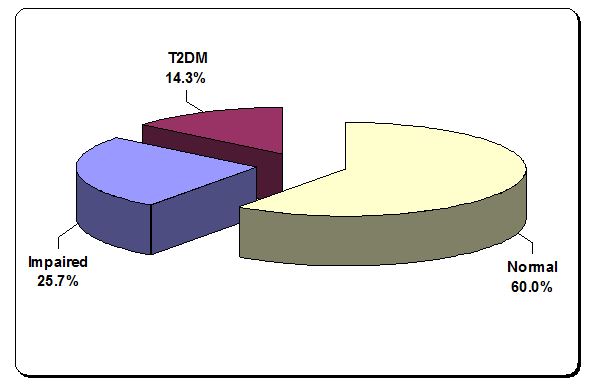
Figure 3: Postpartum oral glucose tolerance test in the gestational diabetes mellitus cases
Among women that developed GDM, maternal age >25 years,
multiparity (>3), and obesity were significantly higher than
in non GDM women. A recent meta-analysis has supported the
impact of maternal age on the incidence of GDM. The risk of GDM
progressively increases within the successive age groups [19]. In
their recent study, Abu-Heija et al., observed a steady increase
in the incidences of GDM with increasing parity, however, this
increase was not statistically significant. On the other hand, GDM
increased significantly with increasing pre-pregnancy BMI [20].
These findings were also observed in earlier studies [9, 16, 18,
21-23]. The Hyperglycemia and Adverse Pregnancy Outcomes
(HAPO) Study Cooperative Research Group has demonstrated
that higher maternal BMI was associated with an increased
likelihood of pregnancy complications, including complications
related to foetal growth, adiposity, and preeclampsia [24].
Regarding the risk factors for developing GDM, the present study
found that women with a past history of GDM had a four-fold
increased risk of GDM (OR 4.03 2.94-5.52). Furthermore, having
a previous history of macrocosmic baby or a family history of DM
doubled the risk for GDM (OR 2.33: 1.84-2.96), (OR 1.84:1.60-
2.12); respectively. These data emphasize the role of genetic
susceptibility toward this disease [16, 25]. Polycystic ovarian
syndrome (PCOS) is a common cause of insulin resistance.
Women with PCOS had a higher risk of developing GDM [16, 26,
27]. However; in the current study, the history of PCOS was not a
significant predictor for developing GDM.
About half of our cohort had no risk factors of GDM. The same was true in a previous study of a nearby geographic area in Assiut (31.8%) [16]. This finding was similar to a Malaysian study where 23.8% of women diagnosed to have GDM were without any Known risk factor [28]. This finding would encourage the universal screening for GDM among all pregnant women. However, there is uncertainty as to whether or not to use universal screening versus selective ones. WHO (2006) recommended universal screening while the American Diabetes Association (ADA, 2019) and the American College of Obstetricians and Gynecologists (ACOG ,2018) recommend screening for GDM in high-risk women [29-31].
Worldwide, there are many guidelines with recommendations for appropriate management strategies for GDM once lifestyle modifications have been instituted and failed to achieve control. Pharmacologic treatment of GDM remains controversial; while ACOG (2018) is firmly recommending insulin as the preferred first-line, ADA (2019) dictated that most women with GDM could achieve normoglycemia with nutritional therapy alone [30,31]. In the current study, we found that onl 29% of the GDM women responded to MNT, while 31% needed the addition of metformin to MNT, and 40% needed insulin addition. These data match the observations of other investigators [16, 32], while others found that insulin was needed in only 20 and 8% of GDM women, respectively [33,34].
Women with GDM are more likely to develop T2DM and require lifelong diabetes screening [35]. Within 5–16 years after pregnancy, up to 65% of women with previous GDM present with T2DM [36]. Unfortunately, Loss of health coverage after pregnancy limits access to follow-up care. For this reason, there are no large registries for tracking postpartum T2DM among women in under-resourced communities. These women face challenges with access to care after pregnancy [35]. In the present study, only 560 women attended the scheduled postpartum OGTT. 60% of the women tested (n=336) had normal OGTT and 40% (n=224) had abnormal test as either impaired glucose tolerance in 25.7% (n=144) or frank diabetes in 14.3% (n= 80). These results were slightly inconsistent with a previous study from Upper Egypt, which demonstrated that 52.7% of GDM women postpartum returned to normal, 12.7% had overt diabetes, 21.3% had impaired fasting glucose, and 13.3% had impaired glucose tolerance [37]. Also, another earlier studies done in Brazil and Iran demonstrated that overt postpartum diabetes mellitus and IGT were 8.1% and 21.4%, respectively, while 70.5% restored normoglycemic state [38,39]. However, some other studies reported a lower prevalence rate of diabetes that ranged from 2-8% [40-42].
Study limitations
Lack of structured dietitians explaining the role of MNT in the management of GDM and the noncompliance of pregnant women to MNT may explain the decreased response to MNT. Another limitation was that considerable number of GDM women missed the post-partum follow-up. This miss is likely due to the lack of motivation.
About half of our cohort had no risk factors of GDM. The same was true in a previous study of a nearby geographic area in Assiut (31.8%) [16]. This finding was similar to a Malaysian study where 23.8% of women diagnosed to have GDM were without any Known risk factor [28]. This finding would encourage the universal screening for GDM among all pregnant women. However, there is uncertainty as to whether or not to use universal screening versus selective ones. WHO (2006) recommended universal screening while the American Diabetes Association (ADA, 2019) and the American College of Obstetricians and Gynecologists (ACOG ,2018) recommend screening for GDM in high-risk women [29-31].
Worldwide, there are many guidelines with recommendations for appropriate management strategies for GDM once lifestyle modifications have been instituted and failed to achieve control. Pharmacologic treatment of GDM remains controversial; while ACOG (2018) is firmly recommending insulin as the preferred first-line, ADA (2019) dictated that most women with GDM could achieve normoglycemia with nutritional therapy alone [30,31]. In the current study, we found that onl 29% of the GDM women responded to MNT, while 31% needed the addition of metformin to MNT, and 40% needed insulin addition. These data match the observations of other investigators [16, 32], while others found that insulin was needed in only 20 and 8% of GDM women, respectively [33,34].
Women with GDM are more likely to develop T2DM and require lifelong diabetes screening [35]. Within 5–16 years after pregnancy, up to 65% of women with previous GDM present with T2DM [36]. Unfortunately, Loss of health coverage after pregnancy limits access to follow-up care. For this reason, there are no large registries for tracking postpartum T2DM among women in under-resourced communities. These women face challenges with access to care after pregnancy [35]. In the present study, only 560 women attended the scheduled postpartum OGTT. 60% of the women tested (n=336) had normal OGTT and 40% (n=224) had abnormal test as either impaired glucose tolerance in 25.7% (n=144) or frank diabetes in 14.3% (n= 80). These results were slightly inconsistent with a previous study from Upper Egypt, which demonstrated that 52.7% of GDM women postpartum returned to normal, 12.7% had overt diabetes, 21.3% had impaired fasting glucose, and 13.3% had impaired glucose tolerance [37]. Also, another earlier studies done in Brazil and Iran demonstrated that overt postpartum diabetes mellitus and IGT were 8.1% and 21.4%, respectively, while 70.5% restored normoglycemic state [38,39]. However, some other studies reported a lower prevalence rate of diabetes that ranged from 2-8% [40-42].
Study limitations
Lack of structured dietitians explaining the role of MNT in the management of GDM and the noncompliance of pregnant women to MNT may explain the decreased response to MNT. Another limitation was that considerable number of GDM women missed the post-partum follow-up. This miss is likely due to the lack of motivation.
RecommendationsTop
Increased awareness about the importance of universal
screening for GDM in every pregnant woman in her perinatal care
should be encouraged. MNT is very important during pregnancy
and after delivery to avoid undesirable weight gain, particularly in
high areas of obesity and type2 diabetes. Electronically generated
telephone and SMS reminder messages to patients may improve
the rates of postpartum testing for the persistence of glucose
intolerance in GDM.
ConclusionsTop
The prevalence of GDM is relatively high in Upper Egypt,
probably related to poverty and the unhealthy dietary habits.
Half of these cases are without risk factors. Universal screening
by OGTT is thus recommended. MNT alone was not adequate for
control of many cases. GDM women should be motivated not to
miss the post-partum follow-up
Financial support and sponsorshipTop
This Present work was part of the World Diabetes Foundation
project: Gestational diabetes Care in Upper Egypt (WDF 13-797).
Conflict of InterestTop
The authors declare that they have no conflict of interest.
AcknowledgementTop
Lobna Eltoony suggested this work, supervised the study in
all included centers, shared in writing the manuscript, made
the last revision and approved it for submission. Walaa Khalifa
supervised data collection in Assiut governorate, and shared in
writing the manuscript. Hani Mobarkout was responsible for data
collection from Aswan and Luxor governorates and filled data for
statistical analysis. Nagla Ahmad shared in planning, collected
data from Kena and Sohag governorates, made the statistical
analysis and coordinated with obstetricians and paediatricians.
Khaled Elhadidy collected data from Menia and Beny Sweef
governorates. Mohammad Mashahet collected data from Fyoum
governorate. Ehab Salem was responsible for Guiza governorate.
Ahmed M. Abbas Monitored the maternal and foetal outcome of
GDM cases in Aswan, Luxor, Kena, Sohag and Assiut governorates.
Omar Shaaban Monitored the maternal and foetal outcome of
GDM cases in Menia, Beny Sweef, Fyoum, and Guza governorates.
Hend Yousef planned and supervised the implementation of life
style modification program to all overweight and obese pregnant
ladies, designed and supervised the implementation of MNT for
GDM women, and supervised metformin or insulin treatment to
GDM cases that failed to respond to MNT. Usama Sharaf El Din
was responsible for collection of references, shared in writing
the draft of the manuscript and was responsible for finalizing
and excusion of the manuscript in its final shape, he is the
corresponding author.
ReferencesTop
- American Diabetes Association. 2. Classification and Diagnosis of Diabetes: Standards of Medical Care in Diabetes-2021. Diabetes Care. 2021 Jan; 44(Suppl 1):S15-S33. doi: 10.2337/dc21-S002
- Lee KW, Ching SM, Ramachandran V, Yee A, Hoo FK, Chia YC, et al. Prevalence and risk factors of gestational diabetes mellitus in Asia: a systematic review and meta-analysis. BMC pregnancy and childbirth. 2018; 18(1):1-20.doi: 10.1186/s12884-018-2131-4
- International Diabetes Federation. IDF Diabetes Atlas,9 th 2019
- American Diabetes Association. 14. Management of diabetes in pregnancy: Standards of Medical Care in Diabetes—2020. Diabetes Care. 2020; 43(Supplement 1):S183-192.
- Al-Rifai RH, Abdo NM, Paulo MS, Saha S and Ahmed LA. Prevalence of Gestational Diabetes Mellitus in the Middle East and North Africa, 2000-2019: A Systematic Review, Meta-Analysis, and Meta-Regression. Front Endocrinol (Lausanne). 2021 Aug 26; 12:668447. doi: 10.3389/fendo.2021.668447
- Lawrence RL, Wall CR and Bloomfield FH. Prevalence of gestational diabetes according to commonly used data sources: an observational study. BMC pregnancy and childbirth. 2019; 19(1):1-9.doi.org/10.1186/s12884-019-2521-2
- Mistry SK, Das Gupta R, Alam S, Kaur K, Shamim AA and Puthussery S. Gestational diabetes mellitus (GDM) and adverse pregnancy outcome in South Asia: A systematic review. Endocrinol Diabetes Metab. 2021 Jul 3:e00285. doi: 10.1002/edm2.285
- Riaz M, Nawaz A, Masood SN, Fawwad A, Basit A and Shera AS. Frequency of gestational diabetes mellitus using DIPSI criteria, a study from Pakistan. Clinical Epidemiology and Global Health. 2019; 7(2):218-221.doi.org/10.1016/j.cegh.2018.06.003
- Seshiah V, Balaji V, Balaji MS, Sekar A, Sanjeevi C, Green A. et.al One step procedure for screening and diagnosis of gestational diabetes mellitus. Diabetes. 2005; 126:200.
- Kanguru L, Bezawada N, Hussein J and Bell J. The burden of diabetes mellitus during pregnancy in low-and middle-income countries: a systematic review. Glob Health Action. 2014; 7(1):23987.doi: 10.3402/gha.v7.23987
- Reece SW, Parihar HS and Martinez M. Retrospective review of maternal and fetal outcomes in patients with gestational diabetes mellitus in an indigent prenatal clinic. Diabetes Spectrum. 2018; 31(2):200-205.doi: 10.2337/ds17-0002
- American Diabetes Association. Standards of medical care in diabetes—2019 abridged for primary care providers. Clinical diabetes: a publication of the American Diabetes Association. 2019; 37(1):11-34.doi.org/10.2337/cd18-0105
- Gasim T. Gestational diabetes mellitus: maternal and perinatal outcomes in 220 Saudi women. Oman Med J. 2012;27(2):140. doi: 10.5001/omj.2012.29
- Alwash SM, McIntyre HD and Mamun A. The association of general obesity, central obesity and visceral body fat with the risk of gestational diabetes mellitus: Evidence from a systematic review and meta-analysis. Obes Res Clin Pract. 2021 Aug 11:S1871-403X (21)00113-7. doi: 10.1016/j.orcp.2021.07.005
- El Sagheer GM and Hamdi L. Prevalence and risk factors for gestational diabetes mellitus according to the Diabetes in Pregnancy Study Group India in comparison to International Association of the Diabetes and Pregnancy Study Groups in El-Minya, Egypt. Egypt J Intern Med. 2018; 30(3):131-9.doi: 10.4103/ejim.ejim_11_18
- Ahmed D, Toony LE, El Kader A, Esmail A, Abass W and El Khated H. Assessment of gestational diabetes in high-risk women attending Assiut University Women Health Hospital, Egypt. Egypt J Intern Med. 2019; 31(4):423-doi.org/10.4103/ejim.ejim_109_19
- Khalil NA, Fathy WM, Mahmoud NS. Screening for gestational diabetes among pregnant women attending a rural family health center-Menoufia governorate-Egypt. J Fam Med Health Care. 2017; 3(1):6-11.doi: 10.11648/j.jfmhc.20170301.12
- Salem ML, Zeid WA and Ismail MA. Prevalence and Predictors of Gestational Diabetes Mellitus among Pregnant Women Attending Fanara Family Center, in Egypt. Suez Canal Univ Med J. 2019; 22(1):64-72.doi: 10.21608/SCUMJ.2019.65162
- Li Y, Ren X, He L, Li J, Zhang S, Chen W. Maternal age and the risk of gestational diabetes mellitus: A systematic review and meta-analysis of over 120 million participants. Diabetes Res Clin Pract. 2020 Apr; 162:108044. doi: 10.1016/j.diabres.2020.108044
- Abu-Heija AT, Al-Bash MR, Al-Kalbani MA. Effects of maternal age, parity and pre-pregnancy body mass index on the glucose challenge test and gestational diabetes mellitus. J Taibah Univ Med Sci. 2017 Feb 22; 12(4):338-342.doi: 10.1016/j.jtumed.2017.01.005
- World Health Organization expert committee on diabetes mellitus: second report. Geneva: World Health Organization; 1980.
- Yen IW, Lee CN, Lin MW, Fan KC, Wei JN, Chen KY, et al. Overweight and obesity are associated with clustering of metabolic risk factors in early pregnancy and the risk of GDM. Plos one. 2019; 14(12):e0225978.doi: 10.1371/journal.pone.0225978
- Danilenko-Dixon DR, Van Winter JT, Nelson RL and Ogburn Jr PL. Universal versus selective gestational diabetes screening: application of 1997 American Diabetes Association recommendations. Am J Obstet Gynecol. 1999; 181(4):798-802.doi: 10.1016/s0002-9378(99)70304-2
- HAPO Study Cooperative Research Group. Hyperglycaemia and Adverse Pregnancy Outcome (HAPO) Study: associations with maternal body mass index. BJOG: An Intl J Obstet Gynaecol. 2010; 117(5):575-584.doi: 10.1111/j.1471-0528.2009.02486.x
- Harder T, Franke K, Kohlhoff R and Plagemann A. Maternal and paternal family history of diabetes in women with gestational diabetes or insulin-dependent diabetes mellitus type I. Gynecol Obstet Invest. 2001; 51(3):160-164.doi: 10.1159/000052916
- Soheilykhah S, Mogibian M, Rahimi-Saghand S, Rashidi M, Piroz M. Incidence of gestational diabetes mellitus in pregnant women. Int J Reprod BioMed. 2010;8(1):24–28.doi: 10.3390/ijerph19052583
- Ali AD, Mehrass AA-KO, Al-Adhroey AH, Al-Shammakh AA and Amran AA.Prevalence and risk factors of gestational diabetes mellitus in Yemen. Int J Women's Health. 2016; 8:35.doi: 10.2147/IJWH.S97502
- Idris N, CH Che Hatikah, MZMurizah and MN Rushdan .Universal versus selective screening for detection of gestational diabetes in Malaysian population. Malaysian family physician. 2009:4:2-3
- World Health Organization. Definition and diagnosis of diabetes mellitus and intermediate hyperglycemia: A report of WHO/IDF consultation. Geneva: World Health Organization; 2006.
- ACOG Practice Bulletin No. 190: Gestational Diabetes Mellitus.Committee on Practice Bulletins—Obstetrics. Obstet Gynecol. 2018; 131(2):e49-e64. doi: 10.1097/AOG.0000000000002501
- American Diabetes Association. Management of Diabetes in Pregnancy: Standards of Medical Care in Diabetes-2019. Diabetes Care 2019; 42:S165
- Durnwald C, Nathan DM, Werner EF, Barss VA. Gestational diabetes mellitus: Glycemic control and maternal prognosis. UpToDate. Waltham, MA: UpToDate Inc. Disponível em
- Crowther CA, Hiller JE, Moss JR, McPhee AJ, Jeffries WS and Robinson JS. Effect of treatment of gestational diabetes mellitus on pregnancy outcomes. New Eng J Med. 2005; 352(24):2477-2486.doi: 10.1056/NEJMoa042973
- Landon MB, Spong CY, Thom E, Carpenter MW, Ramin SM, Casey B, et al. A multicenter, randomized trial of treatment for mild gestational diabetes. New Eng J Med. 2009; 361(14):1339-1348.doi: 10.1056/NEJMoa0902430
- Herrick CJ, Keller MR, Trolard AM, Cooper BP, Olsen MA and Colditz GA. Factors Associated With Postpartum Diabetes Screening in Women With Gestational Diabetes and Medicaid During Pregnancy. Am J Prev Med. 2021 Feb; 60(2):222-231.doi: 10.1016/j.amepre.2020.08.028
- Cabizuca CA, Rocha PS, Marques JV, Costa TF, Santos AS and Schröder AL. Postpartum follow up of gestational diabetes in a Tertiary Care Center. Diabetology & metabolic syndrome. 2018; 10(1):1-6.doi: 10.1186/s13098-017-0303-4
- El Toony LF, Mohamed WA, Abdelregal AM. Screening of type 2 diabetes mellitus after gestational diabetes in Assiut University Hospital. J Current Med Res Practice. 2019; 4(3):338.doi: 10.4103/jcmrp.jcmrp_3_23
- Alves JM, Stollmeier A, Leite IG, Pilger CG, Detsch JC, Radominski RB, et al. Postpartum reclassification of glycemic status in women with gestational diabetes mellitus and associated risk factors. Revista Brasileira de Ginecologia e Obstetrícia. 2016; 38(8):381-390.doi: 10.1055/s-0036-1588008
- Hossein-Nezhad A, Maghbooli Z, Larijani B. Maternal glycemic status in GDM patients after delivery. J Diabetes and Metabolic Disorders. 2009; 8:12.
- Lawrence JM, Black MH, Hsu JW, Chen W, Sacks DA. Prevalence and timing of postpartum glucose testing and sustained glucose dysregulation after gestational diabetes mellitus. Diabetes care. 2010; 33(3):569-76.doi: 10.2337/dc09-2095
- Russell MA, Phipps MG, Olson CL, WelchHG, Carpenter MW. Rates of postpartum glucose testing after gestational diabetes mellitus. Obstet Gynecol. 2006; 108:1456–1462. doi: 10.1097/01.AOG.0000245446.85868.73
- Hunt KJ, Conway DL. Who returns for postpartum glucose screening following gestational diabetes mellitus? Am J Obstet Gynecol. 2008; 198:404–6. doi: 10.1016/j.ajog.2007.09.015

