


2Professor of Internal Medicine and Endocrinology, Faculty of Medicine, Cairo University, Cairo, Egypt
3Professor of Endocrinology, Faculty of Medicine, Port Said University, Port Said, Egypt
4Professor of Diabetes & Endocrinology, National Institute of Diabetes, Cairo, Egypt
5Professor of Internal Medicine, Endocrinology and Diabetes, Faculty of Medicine, Assiut University, Assiut, Egypt
6Professor of Internal Medicine, Diabetes and Endocrinology, Faculty of Medicine, Beni-Suef University, BeniSuef, Egypt
7Professor and Head of Diabetes and Endocrine Unit, Faculty of Medicine, Zagazig University, Zagazig, Egypt
8Associate Professor of Endocrinology, Faculty of Medicine, Alexandria University, Alexandria, Egypt.
9MD, Medical Affairs Department, Eva Pharma for Pharmaceuticals & Medical Appliances, Cairo, Egypt
Methods:
A three-round modified Delphi Procedure was conducted to define recommendations regarding the role of Pharmaco-Complementary medicine in the management of Diabetic complications using a web-based questionnaire. The questionnaire included a set of 65 questions. The level of Consensus was defined based on the level of agreement among the panelists on specific scientific statements. Strong Consensus was defined as ≥80% agreement, Moderate Consensus with Agreement between 65% and up to 79%, and Low Consensus level with statements below 65% agreement.
Results:
Eighteen experts in the field of diabetes participated in the development of this consensus. Three rounds of voting were held, followed by data analysis and consensus level calculation. Out of 47 statements, a total of 33 statements achieved moderate – strong consensus (moderate: 65% - 79% agreement, strong: ≥80% agreement).
Conclusion:
Experts concluded that the use of pharmaco-complementary medications such as CoQ10, Benfotiamine, Magnesium, and EPA can potentially improve glycemic control, insulin sensitivity, and manage diabetic complications. This consensus can serve as a valuable tool for clinicians in managing diabetes, and its complications, and can provide direction for future research.
Keywords: Diabetes, Consensus; Pharmaco-complementary, Delphi, Complications
It is common for patients with T2D to have multiple comorbidities. In Spain, a population-based study found that 82% of patients with T2D had at least two comorbidities [3]. In Egypt, diabetes mellitus (DM) is identified as the primary factor contributing to renal failure, blindness, lower extremity amputations, stroke, and acute coronary syndrome [4]. In a Sample of Alexandria Population with established DM, 29.4% of diabetic patients had peripheral neuropathy, 46.1% had diabetic kidney disease, 48.3% had diabetic retinopathy and 45.5% had peripheral arterial disease which may lead to diabetic foot ulcers [5]. Macrovascular comorbidities such as atherosclerotic cardiovascular diseases (ASCVD) and hypertension are common, as well as microvascular complications which are nephropathy, neuropathy, and retinopathy [3]. Patients may also experience sexual dysfunction and depression which can greatly impact their quality of life [6].
Micronutrient deficiencies are commonly observed in individuals with diabetes due to the metabolic changes that occur in the body and the increased renal excretion. [7] Several studies have shown that diabetes patients are at an increased risk of developing micronutrient deficiencies such as vitamin D, thiamine, vitamin B12, folate, magnesium, and zinc.[8–13]
The consequences of micronutrient deficiencies in diabetic patients can be significant. For example, magnesium deficiency is common in patients with type 2 diabetes, and low levels have been linked to insulin resistance and poor glycemic control. Low magnesium levels have also been associated with an increased risk of developing cardiovascular disease, which is a major complication of diabetes.[14]
Low levels of vitamin B12 and folate have been linked to various clinical manifestations that can be diverse and may include symptoms such as impaired memory, dementia, delirium, peripheral neuropathy, sub-acute combined degeneration of the spinal cord, megaloblastic anemia, and pancytopenia.[15] Thiamine serves as a cofactor for glucose metabolism and in a hyperglycemic state, non-thiamine-dependent metabolic pathways are activated, leading to the production of harmful by-products that contribute to the pathophysiology of diabetic complications. Furthermore, thiamine has a direct effect on pancreatic endocrine function, and its deficiency may contribute to hyperglycemia through mechanisms other than impaired glucose metabolism.[16]
Studies have shown that a deficiency in ubiquinone, a form of CoQ10, may contribute to the development of diabetic nephropathy. This is supported by evidence showing lower levels of ubiquinone in the renal cortex and mitochondria in mice which are prone to developing diabetic nephropathy. CoQ10 deficiency in type 2 diabetes is likely due to depletion caused by excessive oxidative stress. It is important to note that plasma CoQ10 levels were used as a surrogate for tissue CoQ10 in all of the clinical studies mentioned.[17]
The management of type 2 diabetes requires a comprehensive approach that takes into account the management of comorbidities in addition to glycemic control. In recent years, there has been growing interest in the use of pharmaco-complementary medications -Supplemental and pharmacological agents that are non-Gluco-centric or lipid-lowering drugs and frequently used in clinical practice in Egypt - as a complementary strategy to manage diabetic complications. This approach involves the use of natural supplements and vitamins, which can improve glycemic control, insulin sensitivity, and other metabolic parameters.
In this paper, we reviewed the evidence on the potential benefits of pharmaco-complementary medications, including Benfotiamine (the lipid-soluble form of Vitamin B1), CoQ10, Magnesium, Omega-3, Vitamin B6, Vitamin B12, Folic acid, Chromium, Orlistat and Tadalafil for the management and risk reduction of diabetic complications.
The objective of this study was to achieve a consensus on the use of complementary pharmacological therapies in the management of diabetic complications, through a modified Delphi methodology.
A literature review was performed, and relative evidence was graded to help guide their recommendations based on available evidence, resulting in 51 citations to be considered for this work.
In the first round of the Delphi process, a web-based questionnaire was conducted, including a clear explanation of the study objectives and instructions for participation. The questionnaire included a set of 65 open-ended questions, to ensure the comprehensive inclusion of expert concepts, for Delphi rounds 2 and 3. The Questions were divided into 3 sections: addressing Diabetic comorbidities & metabolic syndrome, Microvascular complications, and Macrovascular complications.
Experts were asked to vote by marking “agree” or “disagree” with the scientific concept and were also requested to provide commentary and suggest additional inputs to form the scientific statements.
In the second round, participating experts gathered in a hybrid meeting to discuss the results of the first round, provide clarifications, and present arguments to justify viewpoints regarding the presented statements with the aim of reaching an agreement on whether to retain, amend or eliminate the statement from the final recommendations. This resulted in modifications in the scientific statements and the merging of 2 statements.
The level of Consensus was defined based on the level of agreement among the panelists on specific scientific statements: Strong Consensus with ≥80% agreement, Moderate Consensus with Agreement between 65% and up to 79%, and Low Consensus level with statements below 65% agreement. Statements not meeting the criteria for strong consensus were to be modified according to the panel feedback and re-circulated for voting in the third Delphi rounds.
In the third round, the final set of statements was shared for voting, where experts were asked to choose whether they agree or disagree with the scientific statement as well as rating their confidence with the phrasing of each statement using a 5-level Likert scale.
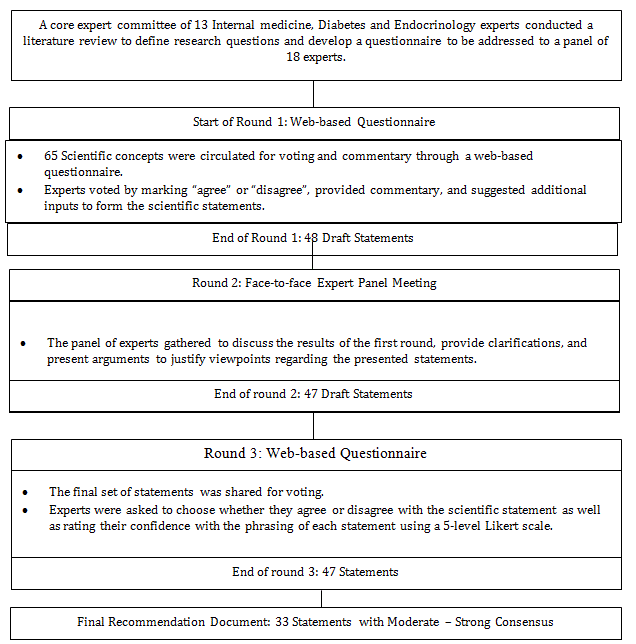
Forty-seven statements were developed for discussion and voting. The recommendations discussed three aspects of the diabetic patient journey. Segment 1: Co-morbidities and metabolic syndrome, Segment 2: Microvascular complications, and Segment 3: Macrovascular complications.
Out of 47 statements, a total of 33 statements achieved moderate – strong consensus (Moderate: 65% - 79% agreement, Strong: ≥80% agreement).
Expert consensus statements and their respective agreement levels are summarized in Table 1.
Statement/ Recommendation |
Consensus Level |
Comorbidities, Metabolic Syndrome |
|
1. Diabetes Mellitus is associated with a wide range of comorbidities. The most reported comorbidities according to clinical practice include cardiovascular diseases, obesity, diabetic foot, hyperlipidemia, hypercholesterolemia, hypertension, retinopathy, nephropathy, peripheral neuropathy, vitamin and minerals deficiency, impotence, sleep disorders, and depression. |
Strong Consensus |
2. According to clinical practice, 50% - 70% of T2D patients suffer from multiple comorbidities. This percentage varies due to variable patients’ educational levels, proper healthcare, genetic and ethnic factors, and late presentation and/or referral. |
Strong Consensus |
3. Neuropathy, retinopathy, and nephropathy are the most common microvascular complications in diabetic patients, whereas atherosclerotic cardiovascular diseases are among the most reported macrovascular complications. |
Strong Consensus |
4. The use of Pharmaco-complementary medications can improve diabetic complications through various mechanisms of action like improving insulin sensitivity, glycemic control, and lowering oxidative stress. |
Strong Consensus |
5. Pharmaco-complementary medications are generally safe components that contribute to the management of diabetic complications. Some molecules have been investigated and showed added benefits like Benfotiamine, Vitamin B12 and B6, Magnesium, CoQ10, and Omega-3. |
Strong Consensus |
6. The use of pharmaco-complementary medications like Co-Q10, Magnesium, Vitamin B complex, Antioxidants, Eicosapentaenoic acid, Chromium, Orlistat, and Alpha lipoic acid can be considered for improving management and prophylaxis of diabetic complications. These agents are safe and effective for improving the components of Metabolic Syndrome (MS) especially insulin resistance, visceral obesity, high blood pressure, and high levels of triglycerides. Magnesium metabolism is involved in blood pressure regulation, Orlistat acts on reducing weight, Co-Q10 significantly reduces fasting glucose and fasting insulin and improves endothelial function, while Chromium and Magnesium improve insulin resistance. |
Strong Consensus |
7. Tissue or cellular magnesium could provide a more accurate estimation of magnesium levels compared to a magnesium blood test due to magnesium high intracellular concentration with only a small percentage in the extracellular fluid. Serum magnesium can also be influenced by dietary magnesium intake, albumin levels, and stress. |
Strong Consensus |
8. The use of CoQ10 can be considered in patients with diabetes to improve glycemic control and insulin sensitivity due to improvement in mitochondrial energy production and potent anti-oxidant effect enhancing nitric oxide production which improves endothelial function. The use of CoQ10 is also beneficial in the improvement of lipid profile and statin-induced muscle symptoms in T2DM due to its ability to decrease triglycerides and improve HDL. |
Strong Consensus |
9. EPA (Eicosapentaenoic acid) supplementation can introduce improvements in hypertriglyceridemia for its known effect on reducing levels of triglycerides. |
Strong Consensus |
10. In T2D patients, Benfotiamine has a potential role in the improvement of glycemic control and insulin sensitivity due to its effects on increasing mitochondrial glucose oxidation and interruption of the hyperglycemic destructive pathways (Polyol, AGEs, DAG, Hexosamine pathway). |
Moderate Consensus |
11. Magnesium supplementation is beneficial for the improvement of Metabolic syndrome components and risk factors. It has a role in reducing the risk of diabetes incidence and its complications by regulating glucose levels and decreasing insulin resistance. It also reduces blood pressure and hypertriglyceridemia. |
Low Consensus |
12. Mg supplementation has a positive impact on patients with moderate to severe insulin resistance. There is a strong correlation between serum magnesium levels and the activity of tyrosine kinase at the insulin receptor level which is factorial in the development of insulin resistance. Magnesium was found to increase the expression, affinity, and signaling of insulin receptors. |
Low Consensus |
13. Magnesium deficiency is considered a potential predisposing factor in the development of type 2 diabetes mellitus because hypomagnesemia and reduction of tyrosine kinase activity at the insulin receptor level result in the impairment of insulin action, poor glycemic control, and development of insulin resistance. |
Low Consensus |
14. Orlistat has potential benefits in type 2 diabetes for the effective management of obesity as it improves lipid profile and glycemic control and reduces body weight. |
Low Consensus |
15. The use of Orlistat in obese diabetic patients has shown improvements in glycemic control, insulin sensitivity, and dyslipidemia through the reduction of body fat mass, decreasing the absorption of lipids, and the presence of free fatty acids in plasma. |
Low Consensus |
16. The use of Chromium supplementation can be considered as a protective agent against T2DM development in case of an underlying deficiency as it enhances insulin sensitivity. |
Low Consensus |
17. Chromium supplementation can be considered for improving components of Metabolic Syndrome as it attenuates weight gain and increases insulin sensitivity. |
Low Consensus |
18. Folic acid supplementation is beneficial in decreasing fasting blood glucose at a dose of 0.5mg/day. Folic acid decreases homocysteine levels and insulin resistance while improving endothelial function. |
Low Consensus |
Macrovascular Complications |
|
19. Cardiovascular complications have been strongly associated with 30% - 40% of diabetic patients and are a leading cause of mortality in more than 50% of the patients. |
Strong Consensus |
20. Macrovascular and microvascular diabetic complications can co-exist and can lead to one another. This strong association could be due to the cardiorenal metabolic connection and sharing the same risk factors, pathways, and metabolic errors. |
Strong Consensus |
21. Pharmaco-complementary medications have shown proven efficacy in the management of diabetic macrovascular complications. Current evidence supports the positive effects of CoQ10 on inflammatory markers associated with ischemic heart disease. B Vitamins contribute to lowering plasma homocysteine levels, thus reducing the risk of strokes. Elements like Zinc and omega-3 fatty acids were observed to have beneficial effects on lipid profiles and atherosclerosis when combined with lifestyle modifications. |
Strong Consensus |
22. Current evidence supports the role of Magnesium supplementation in the management of coronary artery disease and arrhythmia due to its possible role in regulating vascular smooth muscle tone and endothelial function. |
Strong Consensus |
23. CoQ10 has shown a significant reduction in cardiovascular mortality among patients with cardiovascular diseases. CoQ10 prevents both atherosclerosis and its complications by retarding LDL oxidation and inhibiting the proliferation of smooth muscle cells, platelet adhesion, and aggregations, and inhibiting the expression and function of adhesion molecules. |
Moderate Consensus |
24. Vitamin B12 supplementation in Vitamin B-deficient patients is beneficial for improving coronary artery diseases in diabetic patients by lowering homocysteine levels, preventing vascular damage, and improving vascular performance. |
Moderate Consensus |
25. Orlistat is safe and could be effective in the management of obese patients with coronary artery disease. While Orlistat has no direct effect on CAD, improving lipid profile, dyslipidemia, glycemic control, and reducing fat burden can potentially support the management of CAD by ameliorating the risk factors. |
Moderate Consensus |
26. Eicosapentaenoic acid (EPA) has a potential role in mortality rate reduction in coronary artery disease patients by reducing MACE due to the correction of dyslipidemia state and exerting an antioxidant effect. |
Moderate Consensus |
27. Since low Magnesium levels are associated with the development of macro- and microvascular complications, current evidence supports that Magnesium supplementation plays a role in enhancing diabetic foot ulcer healing in cases of Magnesium deficiency. |
Moderate Consensus |
28. The use of Vitamin B12 is recommended in states of deficiency for the reduction of plasma homocysteine levels for diabetic patients with a high risk of stroke as it is directly involved in the metabolism of homocysteine. |
Moderate Consensus |
29. Current evidence supports the potential role of CoQ10 in patients with CAD and T2DM in improving endothelial function, cardiac structure, and function biomarkers. It also has a substantial role in energy production by acting as a mobile electron carrier in the electron transport chain and supporting glycemic control. |
Low Consensus |
30. The use of Benfotiamine contributes to atherosclerosis and CAD risk reduction in diabetic patients because of its role in modulating endothelial dysfunction, decreasing the advanced glycation end products, and preventing oxidative stress, thus having an impact on micro- and macro-endothelial complications prevention. |
Low Consensus |
31. Magnesium supplementation plays a potential role in the risk reduction of stroke and is associated with low incidence of T2DM. Low serum Mg levels were shown to predict the progression from prediabetes to diabetes in the general population. |
Low Consensus |
Microvascular Complications |
|
32. Routine screening of newly diagnosed type 2 diabetic patients for retinopathy is highly recommended to allow early treatment, thus reducing the incidence of visual impairment and vision loss. |
Strong Consensus |
33. Erectile function screening (questionnaire) and follow-up among T2DM patients are highly recommended when appropriate to protect against impotence, depression, and poor quality of life. |
Strong Consensus |
34. Pharmaco-complementary medications such as Benfotiamine, Magnesium, CoQ10, Vitamin B6 and Vitamin B12, and Alpha-lipoic acid are beneficial in improving diabetic microvascular complications. |
Strong Consensus |
35. Current evidence supports the role of CoQ10 in improving diabetic polyneuropathy clinical outcomes and nerve conduction parameters through positive effects on cellular metabolism, improved microvascular function, and improved nerve conduction. |
|
36. The use of Benfotiamine is effective for the management of patients with diabetic polyneuropathy. |
Strong Consensus |
37. Supplementation with Vitamin B6 and B12 can be considered for Vitamin B-deficient diabetic patients due to their role in improving neuropathy symptoms through decreasing homocysteine levels, aiding in neural integrity, and improving patients cognitive function and overall QoL. |
Strong Consensus |
38. The use of Benfotiamine, Vitamin B12, and Vitamin B6 is suggested for diabetic patients to effectively alleviate neuropathy symptoms by decreasing oxidative endothelial injury and homocysteine levels. |
Strong Consensus |
39. A daily dose of 600-1200 mg of Alpha-lipoic acid is beneficial in diabetic polyneuropathy as it provides potent antioxidant effects, thus improving nerve function. Alpha-lipoic acid has been extensively tried and used in clinical practice offering a significant reduction in the symptoms of diabetic peripheral neuropathy. |
Strong Consensus |
40. Daily treatment with 5 mg of tadalafil should be considered for diabetic patients with ED because it is more effective, and more dose-compliant than an on-demand regimen, offers more convenience, eliminates the need for planning sexual activity, provides additional benefits on cardiovascular and pulmonary circulation, and is well tolerated with minimal side effects. |
Strong Consensus |
41. Aside from using PDE5 inhibitors for diabetic patients with erectile dysfunction, other treatment options could be considered after the exclusion of other endocrinal causes. These treatments include supplementation with multivitamins, alpha-lipoic acid and testosterone hormonal therapy in case of testosterone deficiency along with controlling the risk factors and ensuring adequate glycemic control. |
Strong Consensus |
42. The use of Benfotiamine could be considered in diabetic patients to protect against further retinal deterioration due to its blockage effect on major pathways of hyperglycemic damage that lead to retinopathy. Benfotiamine plays another role in improving endothelial dysfunction and inflammation. |
Strong Consensus |
43. The use of CoQ10 could be considered in the management of diabetic retinopathy for its function of protecting neuro-retinal cells by inhibiting the production of reactive oxygen species (ROS), thus decreasing inflammation and improving endothelial dysfunction. |
Moderate Consensus |
44. PDE5 inhibitors used as on-demand regimens in diabetic patients with erectile dysfunction have the disadvantage of low success rates and inconvenience for the patients. |
Moderate Consensus |
45. Magnesium is beneficial for reducing CV mortality events in CKD patients with hypomagnesemia due to its function in improving arrhythmias, controlling blood pressure, and preventing vascular calcification. Current evidence supports that magnesium is inversely correlated with the occurrence of chronic kidney disease. |
Low Consensus |
46. Current evidence supports the role of CoQ10 in diabetic nephropathy patients due to its potent antioxidant properties as it reduces oxidative stress and may enhance glycemic control and GFR. |
Low Consensus |
47. The use of Magnesium may be considered in diabetic patients with retinopathy due to its role in improving endothelial dysfunction, improving insulin sensitivity, and metabolic control. |
Low Consensus |
Experts agreed (94% agreement) that diabetes mellitus is associated with a wide range of comorbidities including cardiovascular diseases, obesity, diabetic foot, hyperlipidemia, hypercholesterolemia, hypertension, retinopathy, nephropathy, peripheral neuropathy, vitamin and minerals deficiency, impotence, sleep disorders, and depression. Experts reached a consensus (89% agreement) that 50% - 70% of patients with type 2 diabetes suffer from multiple comorbidities. There was a complete consensus (100% agreement) that neuropathy, retinopathy, and nephropathy are the most common microvascular complications in diabetic patients, whereas atherosclerotic cardiovascular diseases are among the most reported macrovascular complications.
Regarding the use of Pharmaco-complementary medications, an agreement of 89% was reached that suggested the use of Pharmacocomplementary medications can improve diabetic complications through various mechanisms of action like improving insulin sensitivity, glycemic control, and lowering oxidative stress. Experts agreed (83% agreement) that Pharmaco-complementary medications are generally safe components that contribute to the management of diabetic complications such as Benfotiamine, Vitamin B12 and B6, Magnesium, CoQ10, and Omega-3. They also agreed (83%) that pharmaco-complementary medications can be considered for improving the management and prophylaxis of diabetic complications, improving the components of Metabolic Syndrome (MS) especially insulin resistance, visceral obesity, high blood pressure, and high levels of triglycerides.
Experts agreed (83% agreement) that the use of CoQ10 can be considered in patients with diabetes to improve glycemic control and insulin sensitivity. It is also beneficial in the improvement of lipid profile and statin-induced muscle symptoms in T2DM. The use of Benfotiamine also reached an agreement level of 78% due to its potential role in the improvement of glycemic control and insulin sensitivity. Another agent, EPA (Eicosapentaenoic acid) supplementation, can introduce improvements in hypertriglyceridemia for its known effect on reducing levels of triglycerides (agreement level 83%).
Microvascular Complications
Experts reached an agreement level of 94% to support the recommendation of early screening for retinopathy and erectile dysfunction for newly diagnosed patients with diabetes to allow early treatment and prevent the development of complications. Experts agreed (94% agreement level) that pharmacocomplementary medications such as Benfotiamine, Magnesium, CoQ10, Vitamin B6 and Vitamin B12, and Alpha-lipoic acid are beneficial in improving diabetic microvascular complications. A recommendation of 83% endorsed that current evidence supports the role of CoQ10 in improving diabetic polyneuropathy clinical outcomes and nerve conduction parameters through positive effects on cellular metabolism, improved microvascular function, and improved nerve conduction. Benfotiamine use received an agreement level of 94% as it is effective for the management of patients with diabetic polyneuropathy.
Experts reached a consensus (94% agreement) that supplementation with Vitamin B6 and B12 can be considered for Vitamin B-deficient diabetic patients due to their role in improving neuropathy symptoms through decreasing homocysteine levels, aiding in neural integrity, and improving patients cognitive function and overall QoL. There was a complete agreement of 100% that a daily dose of 600-1200 mg of Alphalipoic acid is beneficial in diabetic polyneuropathy as it provides potent antioxidant effects, thus improving nerve function. Experts agreed (76%) that the use of CoQ10 could be considered in the management of diabetic retinopathy for its function of protecting neuro-retinal cells.
Experts agreed (78%) that on-demand PDE5 inhibitor regimens in diabetic patients with erectile dysfunction have the disadvantage of low success rates and inconvenience for the patients. While 94% agreement level supported the recommendation that daily treatment with 5 mg of tadalafil should be considered for diabetic patients with ED because it is more effective, and more dosecompliant than an on-demand regimen, offers more convenience, eliminates the need for planning sexual activity, provides additional benefits on cardiovascular and pulmonary circulation, and is well tolerated with minimal side effects. Experts also agreed (89% agreement level) that aside from using PDE5 inhibitors for diabetic patients with erectile dysfunction, other treatment options could be considered including supplementation with multivitamins, alpha-lipoic acid and testosterone hormonal therapy.
Macrovascular Complications
On the topic of macrovascular complications, all experts agreed (100% agreement) that Cardiovascular complications have been strongly associated with 30% - 40% of diabetic patients and are a leading cause of mortality in more than 50% of the patients. Experts agreed (94% agreement) that macrovascular and microvascular diabetic complications can co-exist and can lead to one another. This strong association could be due to the cardiorenal metabolic connection and sharing the same risk factors, pathways, and metabolic errors. 83% agreement level supported that pharmaco-complementary medications have shown proven efficacy in the management of diabetic macrovascular complications including CoQ10, B Vitamins, Zinc, and omega-3 fatty acids.
Experts agreed (72% agreement) that CoQ10 has shown a significant reduction in cardiovascular mortality among patients with cardiovascular diseases. CoQ10 prevents both atherosclerosis and its complications by retarding LDL oxidation and inhibiting the proliferation of smooth muscle cells, platelet adhesion, and aggregations, and inhibiting the expression and function of adhesion molecules. Experts agreed (83% agreement) that Magnesium supplementation in the management of coronary artery disease and arrhythmia due to its possible role in regulating vascular smooth muscle tone and endothelial function. Experts agreed (72% agreement) that current evidence supports that Magnesium supplementation plays a role in enhancing diabetic foot ulcer healing in cases of Magnesium deficiency. Experts agreed (78% agreement) that the use of Vitamin B12 is recommended in states of deficiency for the reduction of plasma homocysteine levels for diabetic patients with a high risk of stroke as it is directly involved in the metabolism of homocysteine.
Type 2 diabetes can lead to deficiencies in certain micronutrients due to the metabolic changes that occur in the body and the increased fluid loss and oxidative stress [19,20]. For example, plasma Thiamine levels in diabetes decreased by 75% in comparison to healthy individuals as renal clearance of thiamine has been documented to increase by 16 folds [20].
Experts agreed that pharmaco-complementary medications can improve diabetic complications through various mechanisms of action, including improving insulin sensitivity, glycemic control, lowering oxidative stress, improving lipid profile and endothelial function and was also found to be generally safe [21]. The use of pharmaco-complementary medications was also found to be generally safe and can contribute to the management of diabetic complications. Specifically, experts agreed that components such as Benfotiamine (the lipid-soluble form of vitamin B1), Vitamin B12 and B6, Magnesium, CoQ10, and Omega-3 can be considered for improving the management and reducing the risk of diabetic complications, improving the components of Metabolic Syndrome (MS) especially insulin resistance, visceral obesity, high blood pressure, and high levels of triglycerides [22].
In addition, experts agreed that the use of CoQ10 can be considered in patients with diabetes to improve glycemic control and insulin sensitivity. CoQ10 was also found to be beneficial in the improvement of lipid profile and statin-induced muscle symptoms in T2DM. A recent study that looked into the efficacy of CoQ10 on glycemic control, revealed that CoQ10 supplementation can have positive effects on glycemic control, particularly in individuals with diabetes[23]. This study quantified a dose of 100-200 mg/ day of CoQ10 for achieving the best possible benefit. A metaanalysis found that the addition of CoQ10 supplements improved muscle symptoms associated with taking statins, suggesting that CoQ10 supplementation could be used as a complementary strategy to manage statin-induced myopathy [24].
Regarding Magnesium, a meta-analysis with 6311 cases of metabolic syndrome found that the overall risk of developing Metabolic Syndrome decreased by 17% with every 100 mg/day increase in magnesium intake [25]. In another meta-analysis of 536,318 participants, Magnesium intake was significantly inversely associated with the risk of type 2 diabetes by 22% [26]. Magnesium was also found to potentially improve insulin sensitivity and reduce glycated hemoglobin [26].
Similarly, the use of Benfotiamine was also found to have potential benefits on the improvement of glycemic control and insulin sensitivity. It has been proven that benfotiamine has more extensive impacts on various cell types associated with both type 1 and type 2 diabetes than previously acknowledged [27].
This matches the experts’ recommendation that Benfotiamine has a potential role in the improvement of glycemic control and insulin sensitivity due to its effects on increasing mitochondrial glucose oxidation and interruption of the hyperglycemic destructive pathways in patients with T2D.
EPA (Eicosapentaenoic acid) supplementation was also found to be potentially beneficial for improving hypertriglyceridemia [28]. These findings suggest that a comprehensive approach to diabetes management that includes the management of comorbidities and risk factors and the use of pharmaco-complementary medications may improve the outcomes for patients with metabolic syndrome.
Type 2 diabetes can lead to deficiencies in certain micronutrients due to the metabolic changes that occur in the body and the increased fluid loss and oxidative stress [19,20]. For example, plasma Thiamine levels in diabetes decreased by 75% in comparison to healthy individuals as renal clearance of thiamine has been documented to increase by 16 folds [20].
Experts agreed that pharmaco-complementary medications can improve diabetic complications through various mechanisms of action, including improving insulin sensitivity, glycemic control, lowering oxidative stress, improving lipid profile and endothelial function and was also found to be generally safe [21]. The use of pharmaco-complementary medications was also found to be generally safe and can contribute to the management of diabetic complications. Specifically, experts agreed that components such as Benfotiamine (the lipid-soluble form of vitamin B1), Vitamin B12 and B6, Magnesium, CoQ10, and Omega-3 can be considered for improving the management and reducing the risk of diabetic complications, improving the components of Metabolic Syndrome (MS) especially insulin resistance, visceral obesity, high blood pressure, and high levels of triglycerides [22].
In addition, experts agreed that the use of CoQ10 can be considered in patients with diabetes to improve glycemic control and insulin sensitivity. CoQ10 was also found to be beneficial in the improvement of lipid profile and statin-induced muscle symptoms in T2DM. A recent study that looked into the efficacy of CoQ10 on glycemic control, revealed that CoQ10 supplementation can have positive effects on glycemic control, particularly in individuals with diabetes[23]. This study quantified a dose of 100-200 mg/ day of CoQ10 for achieving the best possible benefit. A metaanalysis found that the addition of CoQ10 supplements improved muscle symptoms associated with taking statins, suggesting that CoQ10 supplementation could be used as a complementary strategy to manage statin-induced myopathy [24].
Regarding Magnesium, a meta-analysis with 6311 cases of metabolic syndrome found that the overall risk of developing Metabolic Syndrome decreased by 17% with every 100 mg/day increase in magnesium intake [25]. In another meta-analysis of 536,318 participants, Magnesium intake was significantly inversely associated with the risk of type 2 diabetes by 22% [26]. Magnesium was also found to potentially improve insulin sensitivity and reduce glycated hemoglobin [26].
Similarly, the use of Benfotiamine was also found to have potential benefits on the improvement of glycemic control and insulin sensitivity. It has been proven that benfotiamine has more extensive impacts on various cell types associated with both type 1 and type 2 diabetes than previously acknowledged [27].
This matches the experts’ recommendation that Benfotiamine has a potential role in the improvement of glycemic control and insulin sensitivity due to its effects on increasing mitochondrial glucose oxidation and interruption of the hyperglycemic destructive pathways in patients with T2D.
EPA (Eicosapentaenoic acid) supplementation was also found to be potentially beneficial for improving hypertriglyceridemia [28]. These findings suggest that a comprehensive approach to diabetes management that includes the management of comorbidities and risk factors and the use of pharmaco-complementary medications may improve the outcomes for patients with metabolic syndrome.
Benfotiamine may provide a treatment option for patients with diabetic polyneuropathy by addressing the causal pathophysiological pathways of impaired glucose metabolism and hyperglycemic damage and improvement was more pronounced at the higher Benfotiamine dose and increased with treatment duration [32].
Supplementation with Vitamin B6 and B12 was also recommended for Vitamin B-deficient diabetic patients due to their role in improving neuropathy symptoms [33,34]. The combination of Benfotiamine and Vitamin B6/12 has neurotrophic effects and could be considered as an initial treatment option for diabetic polyneuropathy.[35]
There was a strong consensus among the panel of experts on the following recommendation; a daily dose of 600-1200 mg of Alphalipoic acid is beneficial in diabetic polyneuropathy as it provides potent antioxidant effects, thus improving nerve function. Alphalipoic acid has been frequently used in local clinical practice offering a significant reduction in the symptoms of diabetic peripheral neuropathy. This is supported by a study that showed that a 3-week treatment regimen of 600 mg/day alpha-lipoic acid is effective in reducing symptoms of diabetic peripheral neuropathy, and did not cause significant adverse reactions [36]. The use of CoQ10 was also suggested for the management of diabetic retinopathy, as it can protect neuro-retinal cells.[37,38]
Regarding erectile dysfunction in patients with diabetes, experts recommended the use of daily treatment with 5 mg of tadalafil, as it is more effective, dose-compliant, convenient, and welltolerated with minimal side effects. Clinical trials have shown that low-dose, daily treatment with PDE5 inhibitors, particularly tadalafil, is effective and safe [39]. On-demand PDE5 inhibitor regimens were found to have lower success rates and be more inconvenient for patients.[40]
Overall, these findings highlight the importance of early screening and effective management of diabetic complications to improve patient outcomes and quality of life.
Experts agreed (72% agreement) that CoQ10 has shown a significant reduction in cardiovascular mortality among patients with cardiovascular diseases. CoQ10 is a powerful antioxidant, physiologically involved in many metabolic functions in the body related to energy and ATP production in the electronic transport chain. Consequently, CoQ10 inhibits the production of reactive oxygen species (ROS), prevents LDL oxidation, and inhibits the proliferation of smooth muscle cells, platelet adhesion, aggregation, and accumulation of adhesive molecules, delaying the ischemic process and preventing the formation of atherosclerotic plaques [22]. A 2-year prospective trial “Q-SYMBIO reported that CoQ10 supplementation improved heart function and reduced cardiovascular-related mortality by 43% in heart failure patients [43].
Experts also agreed (83% agreement) that Magnesium supplementation may be beneficial in the management of coronary artery disease and arrhythmia due to its possible role in regulating vascular smooth muscle tone and endothelial function. The risk of developing heart failure and atrial fibrillation, as well as complications such as chronic kidney disease, diabetic retinopathy, and diabetic foot ulcers in type 2 diabetic patients, is inversely associated with serum magnesium (Mg2+) concentration.[44] Magnesium is involved in several essential physiological, biochemical, and cellular processes regulating cardiovascular function and myocardial excitability and it is thus central to the pathogenesis of several cardiovascular disorders [45]. In a meta-analysis of Forty-one studies involving 53 cohorts with 1,912,634 participants and 76,678 cases, Magnesium intake had significant inverse associations with total stroke by 11% in a dose-dependent manner [46].
Furthermore, experts agreed (78% agreement) that Vitamin B12 supplementation is recommended for diabetic patients with a high risk of stroke in states of deficiency. Vitamin B has been suggested to potentially reduce the levels of total homocysteine in the blood and prevent the generation of free radicals in ischemic brain tissues, ultimately leading to improved clinical outcomes in stroke patients [47].
Strengths/Limitations
The use of Delphi methodology to develop this consensus is one of the study strengths that utilized expert opinions based on their clinical practice and the available evidence. Another strength is the expert panel that participated in the development of this consensus owing to their specialization and expertise. The geographical distribution of the expert panel from areas all around Egypt has also provided a wide range of opinions that better represents the country. Study limitations could include that not all participants participated in all Delphi rounds. Another limitation may be that all experts were from Egypt and having experts from other countries would have extended the recognition and adoption of this consensus among the region.
Declarations
Ethics approval and consent to participate
Not Applicable
Consent for publication
Not Applicable
Availability of data and materials
All data generated or analysed during this study are included in this published article.
Competing interests
MS discloses that he works for Eva Pharma for Pharmaceuticals & Medical Appliances in the Medical Affairs function. The rest of the authors declare no conflicts of interest.
Pharmaco-Complementary Therapies |
Potential Benefits to Patients with T2D |
CoQ10 |
|
Eicosapentaenoic acid (EPA) |
|
Benfotiamine |
Benfotiamine can improve glycemic control, insulin sensitivity and diabetic polyneuropathy [27], [32] |
Magnesium |
|
Orlistat |
Orlistat could be effective in the management of obesity and obese patients with coronary artery disease through improving lipid profile, dyslipidemia, glycemic control, and reducing fat burden. [48] |
Chromium |
In states of deficiency, the intake of Chromium can reduce the risk of T2D development as it enhances insulin sensitivity. [49,50] |
Folic Acid |
Folic acid supplementation can decrease fasting blood glucose, homocysteine levels, insulin resistance and improves endothelial function. [51] |
B Vitamins (B6, B12) |
|
Alpha-lipoic acid |
Improves symptoms of diabetic peripheral neuropathy. [36] |
Tadalafil |
Daily dose of Tadalafil 5 mg is an effective, dose-compliant, convenient, and well-tolerated treatment for erectile dysfunction. [39] |
- Diagnosis and Classification of Diabetes Mellitus. Diabetes Care. 2013; 36:S67–74. doi: 10.2337/dc13-S067
- Centers for Disease Control and Prevention. Diabetes Fast Facts [Internet]. [Cited 2023 Mar 26].
- Mata-Cases M, Franch-Nadal J, Real J, Cedenilla M, Mauricio D. Prevalence and coprevalence of chronic comorbid conditions in patients with type 2 diabetes in Catalonia: a population-based cross-sectional study. BMJ Open. 2019; 9:e031281. doi: 10.1136/bmjopen-2019-031281
- Abouzid MR, Ali K, Elkhawas I and Elshafei SM. An Overview of Diabetes Mellitus in Egypt and the Significance of Integrating Preventive Cardiology in Diabetes Management. Cureus. 2022; doi: 10.7759/cureus.27066
- Khalil SA, Megallaa MH, Rohoma KH, Guindy MA, Zaki A, Hassanein M, et al. Prevalence of Chronic Diabetic Complications in Newly Diagnosed versus Known Type 2 Diabetic Subjects in a Sample of Alexandria Population, Egypt. Curr Diabetes Rev. 2018; 15:74–83. doi: 10.2174/1573399814666180125100917
- Trikkalinou A, Papazafiropoulou AK and Melidonis A. Type 2 diabetes and quality of life. World J Diabetes. 2017; 8:120. doi: 10.4239/wjd.v8.i4.120
- Walker AF. Potential micronutrient deficiency lacks recognition in diabetes. Br J Gen Pract. 2007; 57:3–4.
- Hussein M, Fathy W, Hassan A, Elkareem RA, Marzouk S, Kamal YS. Zinc deficiency correlates with severity of diabetic polyneuropathy. Brain Behav. 2021; 11. doi: 10.1002/brb3.2349
- Barbagallo M, and Ligia J Dominguez. Magnesium and type 2 diabetes. World J Diabetes. 2015; 6:1152.doi: 10.4239/wjd.v6.i10.1152
- Zhao M, Yuan MM, Yuan L, Huang LL, Liao JH, Yu XL, et al. Chronic folate deficiency induces glucose and lipid metabolism disorders and subsequent cognitive dysfunction in mice. PLoS One. 2018; 13:e0202910. doi: 10.1371/journal.pone.0202910
- Alhumaidi M, Agha A, Dewish M. Vitamin d deficiency in patients with type-2 diabetes mellitus in southern region of saudi arabia. Maedica (Bucur). 2013;8:231–236.
- Valdes-Ramos R, Laura G-L, Elina M-C, Donaji B-A. Vitamins and Type 2 Diabetes Mellitus. Endocrine, Metabolic & Immune Disorders-Drug Targets. 2015; 15:54–63. doi: 10.2174/1871530314666141111103217
- Beltramo E, Berrone E, Tarallo S, Porta M. Effects of thiamine and benfotiamine on intracellular glucose metabolism and relevance in the prevention of diabetic complications. Acta Diabetol. 2008; 45:131–41. doi: 10.1007/s00592-008-0042-y
- Arpaci D, Tocoglu AG, Ergenc H, Korkmaz S, Ucar A, Tamer A. Associations of serum Magnesium levels with diabetes mellitus and diabetic complications. Hippokratia. 2015; 19:153–157.
- Kibirige D and Mwebaze R. Vitamin B12 deficiency among patients with diabetes mellitus: is routine screening and supplementation justified? J Diabetes Metab Disord. 2013; 12:17. doi: 10.1186/2251-6581-12-17
- Page GLJ, Laight D, Cummings MH. Thiamine deficiency in diabetes mellitus and the impact of thiamine replacement on glucose metabolism and vascular disease. Int J Clin Pract. 2011; 65:684–90. doi: 10.1111/j.1742-1241.2011.02680.x
- Shen Q, Pierce J. Supplementation of Coenzyme Q10 among Patients with Type 2 Diabetes Mellitus. Healthcare. 2015; 3:296–309. doi: 10.3390/healthcare3020296
- Mata-Cases M, Franch-Nadal J, Real J, Cedenilla M, Mauricio D. Prevalence and coprevalence of chronic comorbid conditions in patients with type 2 diabetes in Catalonia: a population-based cross-sectional study. BMJ Open. 2019; 9:e031281. doi: 10.1136/bmjopen-2019-031281
- Kaur B and Henry J. Micronutrient Status in Type 2 Diabetes. 2014. p. 55–100. doi: 10.1016/B978-0-12-800270-4.00002-X
- Pácal L, Katarína K, Kateřina K. Evidence for altered thiamine metabolism in diabetes: Is there a potential to oppose gluco- and lipotoxicity by rational supplementation? World J Diabetes. 2014; 5:288. doi: 10.4239/wjd.v5.i3.288
- Guo Y, Huang Z, Sang D, Gao Q, Li Q. The Role of Nutrition in the Prevention and Intervention of Type 2 Diabetes. Front Bioeng Biotechnol. 2020; 8. doi: 10.3389/fbioe.2020.575442
- Vogel JHK, Bolling SF, Costello RB, Guarneri EM, Krucoff MW, Longhurst JC, et al. Integrating Complementary Medicine Into Cardiovascular Medicine. J Am Coll Cardiol. 2005; 46:184–221. doi: 10.1016/j.jacc.2005.05.031
- Liang Y, Zhao D, Ji Q, Liu M, Dai S, Hou S, et al. Effects of coenzyme Q10 supplementation on glycemic control: A GRADE-assessed systematic review and dose-response meta-analysis of randomized controlled trials. EClinicalMedicine. 2022; 52:101602. doi: 10.1016/j.eclinm.2022.101602
- Qu H, Guo M, Chai H, Wang W, Gao Z, Shi D. Effects of Coenzyme Q10 on Statin‐Induced Myopathy: An Updated Meta‐Analysis of Randomized Controlled Trials. J Am Heart Assoc. 2018; 7. doi: 10.1161/JAHA.118.009835
- Dibaba DT, Xun P, Fly AD, Yokota K, He K. Dietary magnesium intake and risk of metabolic syndrome: a meta-analysis. Diabetic Medicine. 2014; 31:1301–9. doi: 10.1111/dme.12537
- Dong J-Y, Xun P, He K, Qin L-Q. Magnesium Intake and Risk of Type 2 Diabetes. Diabetes Care. 2011; 34:2116–22.doi: 10.2337/dc11-0518
- Fraser DA, Hessvik NP, Nikolić N, Aas V, Hanssen KF, Bøhn SK, et al. Benfotiamine increases glucose oxidation and downregulates NADPH oxidase 4 expression in cultured human myotubes exposed to both normal and high glucose concentrations. Genes Nutr. 2012; 7:459–469. doi: 10.1007/s12263-011-0252-8
- Skulas-Ray AC, Wilson PWF, Harris WS, Brinton EA, Kris-Etherton PM, Richter CK, et al. Omega-3 Fatty Acids for the Management of Hypertriglyceridemia: A Science Advisory From the American Heart Association. Circulation. 2019; 140. doi: 10.1161/CIR.0000000000000709
- Vijan S, Stevens DL, Herman WH, Funnell MM, Standiford CJ. Screening, prevention, counseling, and treatment for the complications of type II diabetes mellitus. J Gen Intern Med. 1997; 12:567–580. doi: 10.1046/j.1525-1497.1997.07111.x
- Hernández-Ojeda J, Cardona-Muñoz EG, Román-Pintos LM, Troyo-Sanromán R, Ortiz-Lazareno PC, Cárdenas-Meza MA, et al. The effect of ubiquinone in diabetic polyneuropathy: A randomized double-blind placebo-controlled study. J Diabetes Complications. 2012; 26:352–8. doi: 10.1016/j.jdiacomp.2012.04.004
- Bakhshayeshkaram M, Lankarani KB, Mirhosseini N, Tabrizi R, Akbari M, Dabbaghmanesh MH, et al. The Effects of Coenzyme Q10 Supplementation on Metabolic Profiles of Patients with Chronic Kidney Disease: A Systematic Review and Meta-analysis of Randomized Controlled Trials. Curr Pharm Des. 2019; 24:3710–23. doi: 10.2174/1381612824666181112112857
- Stracke H, Gaus W, Achenbach U, Federlin K, Bretzel RG. Benfotiamine in Diabetic Polyneuropathy (BENDIP): Results of a Randomised, Double Blind, Placebo-controlled Clinical Study. Experimental and Clinical Endocrinology & Diabetes. 2008; 116:600–605. doi: 10.1055/s-2008-1065351
- Mascolo E, Vernì F. Vitamin B6 and Diabetes: Relationship and Molecular Mechanisms. Int J Mol Sci. 2020; 21:3669.doi: 10.3390/ijms21103669
- Kibirige D, Mwebaze R. Vitamin B12 deficiency among patients with diabetes mellitus: is routine screening and supplementation justified? J Diabetes Metab Disord. 2013; 12:17. doi: 10.1186/2251-6581-12-17
- Stracke H, Lindemann A, Federlin K. A Benfotiamine-vitamin B combination in treatment of diabetic polyneuropathy. Experimental and Clinical Endocrinology & Diabetes. 2009; 104:311–6. doi: 10.1055/s-0029-1211460
- Ziegler D, Hanefeld M, Ruhnau KJ, Meissner HP, Lobisch M, Schütte , K., et al. Treatment of symptomatic diabetic peripheral neuropathy with the anti-oxidant alpha-lipoic acid. A 3-week multicentre randomized controlled trial (ALADIN Study). Diabetologia. 1995; 38:1425–1433. doi: 10.1007/BF00400603
- Qu J, Kaufman Y, Washington I. Coenzyme Q10 in the Human Retina. Investigative Opthalmology & Visual Science. 2009; 50:1814. doi: 10.1167/iovs.08-2656
- Zhang X, Tohari AM, Marcheggiani F, Zhou X, Reilly J, Tiano L, et al. Therapeutic Potential of Co-enzyme Q10 in Retinal Diseases. Curr Med Chem. 2017; 24. doi: 10.2174/0929867324666170801100516
- Sung HH and Lee SW. Chronic Low Dosing of Phosphodiesterase Type 5 Inhibitor for Erectile Dysfunction. Korean J Urol. 2012;53:377. doi: 10.4111/kju.2012.53.6.377
- Hatzichristou D, Gambla M, Rubio-Aurioles E, Buvat J, Brock GB, Spera G, et al. Efficacy of tadalafil once daily in men with diabetes mellitus and erectile dysfunction. Diabetic Medicine. 2008;25:138–146. doi: 10.1111/j.1464-5491.2007.02338.x
- Ma C-X, Ma X-N, Guan C-H, Li Y-D, Mauricio D, Fu S-B. Cardiovascular disease in type 2 diabetes mellitus: progress toward personalized management. Cardiovasc Diabetol. 2022; 21:74. doi: 10.1186/s12933-022-01516-6
- Banerjee S and Panas R. Diabetes and cardiorenal syndrome: Understanding the “Triple Threat.” Hellenic Journal of Cardiology. 2017; 58:342–347. doi: 10.1016/j.hjc.2017.01.003
- Mortensen SA, Rosenfeldt F, Kumar A, Dolliner P, Filipiak KJ, Pella D, et al. The Effect of Coenzyme Q 10 on Morbidity and Mortality in Chronic Heart Failure. JACC Heart Fail. 2014; 2:641–9. doi: 10.1016/j.jchf.2014.06.008
- Oost LJ, van der Heijden AAWA, Vermeulen EA, Bos C, Elders PJM, Slieker RC, et al. Serum Magnesium Is Inversely Associated With Heart Failure, Atrial Fibrillation, and Microvascular Complications in Type 2 Diabetes. Diabetes Care. 2021; 44:1757–65. doi: 10.2337/dc21-0236
- Kolte D, Vijayaraghavan K, Khera S, Sica DA, Frishman WH. Role of Magnesium in Cardiovascular Diseases. Cardiol Rev. 2014;22:182–92. doi: 10.1097/CRD.0000000000000003
- Zhao B, Zeng L, Zhao J, Wu Q, Dong Y, Zou F, et al. Association of magnesium intake with type 2 diabetes and total stroke: an updated systematic review and meta-analysis. BMJ Open. 2020; 10:e032240. doi: 10.1136/bmjopen-2019-032240
- Wang L, Cui W, Nan G, Yu Y. Meta-analysis reveals protective effects of vitamin B on stroke patients. Transl Neurosci. 2015; 6:150–6. doi: 10.1515/tnsci-2015-0014

